When the Mother’s Immune System Becomes Activated… How Is the Fetal Brain Affected?

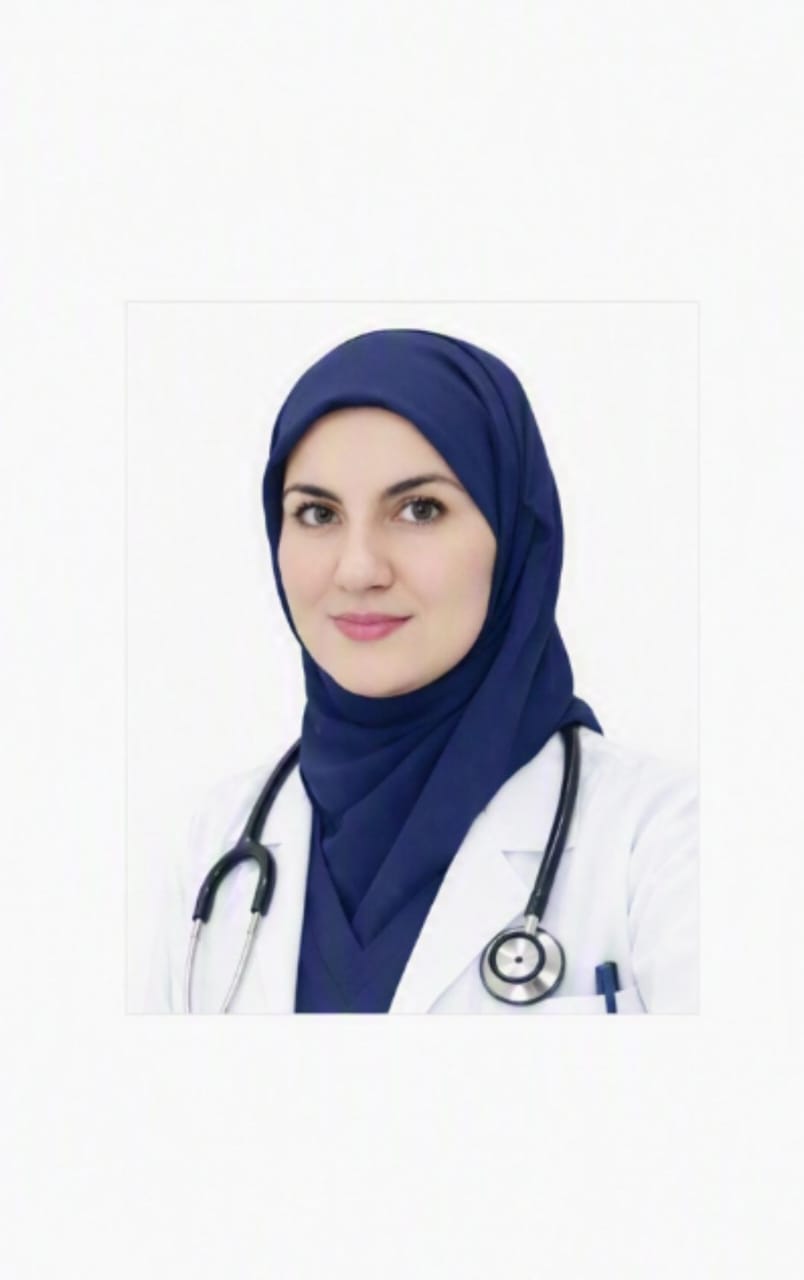
Written by Dr. Mona Saeed
Family Medicine Physician & Clinical Nutrition and Weight Management Specialist | Scientific Development Team,
HealthNato
Information reviewed by HealthNato Scientific Team
on September 30, 2026 at 12:30 PM
In most cases, the infection is treated and the story ends there.
But in recent years, scientists have begun asking a more complex question:
Could activation of the immune system during pregnancy affect the way the fetal brain develops?
And this is where an intriguing scientific story begins.
The Story May Not Be About the Microbe Itself
When the body encounters an infection, it does not simply fight the microorganism.
The immune system becomes activated, and inflammatory substances known as cytokines are released. These are molecules that help regulate the immune response.
During pregnancy, there is a complex biological relationship between the mother, the placenta, and the fetus.
Therefore, researchers are investigating whether the mother’s immune and inflammatory response could affect the environment in which the fetus develops, particularly because the brain undergoes delicate stages of neuronal formation and the development of connections during this period.
This has led to a scientific hypothesis known as:
Maternal Immune Activation — MIA
In other words, activation of the mother’s immune system.
What Could Happen to the Fetal Brain?
This does not mean that the mother’s immune cells directly attack the fetal brain.
Changes in immune and inflammatory signaling may interact with the placenta, while researchers are also studying their potential effects on immune cells present within the developing brain, including microglia.
These cells play important roles in nervous system development, regulating the environment surrounding neurons, and forming certain neural connections.
Therefore, scientists are investigating whether significant immune activation, or immune activation occurring during a sensitive period of pregnancy, could alter certain pathways of neurological development.
However, these mechanisms are still under investigation and do not represent a confirmed explanation for autism spectrum disorder in children later in life.
What Have Studies in Humans Found?
Some observational studies have found an association between certain infections or fever during pregnancy and an increased likelihood of an autism spectrum disorder diagnosis in the child.
In a meta-analysis that included 36 studies, an association was found between infection or fever during pregnancy and autism.
Other factors may also be involved, such as the mother’s health status, genetic and familial factors, the type of infection, its severity, and the timing of the infection during pregnancy.
Does Infection During Pregnancy Necessarily Cause Autism?
No.
Autism does not have a single cause. It is a complex neurological condition in which genetic factors play an important role, alongside a range of biological and environmental factors whose interactions are still being studied.
In some studies, severe infections during pregnancy were associated with a greater increase in likelihood, while other studies did not find a general association between all types of infections and autism.
Therefore, scientists are not looking for “a microbe that causes autism.” Instead, they are trying to understand a complex network of factors that may interact with brain development.
Therefore, an infection during pregnancy does not mean that the child will develop autism.
There is currently no way to look at an infection that occurred during pregnancy and predict that a child will develop autism because of it.
Many women also experience infections during pregnancy and go on to have healthy children.
However, this does not mean that infections should be ignored. Some types of infection can affect the health of the mother, pregnancy, and fetus for many reasons entirely unrelated to autism. Therefore, timely diagnosis and treatment remain important.
What Should a Pregnant Woman Do If She Develops an Infection?
Do not ignore the symptoms… and do not self-medicate.
When an infection or fever occurs, the condition should be assessed by a physician to determine the likely type and severity of the infection and whether testing or treatment is needed.
A pregnant woman should not take an antibiotic, antiviral medication, or any other medication on her own. Likewise, she should not stop a prescribed treatment out of fear that it may affect the fetus without consulting her physician.
Conclusion
The fetal brain does not develop independently of the mother’s body.
That is why scientists are increasingly interested in the relationship between immunity, inflammation, the placenta, and genetic factors during pregnancy.
However, it cannot currently be stated that infection during pregnancy is a direct cause of autism.
Some studies have found an association, and there are potential biological mechanisms, but causality has not been established.
Therefore, this information should not become a source of fear or guilt for the mother.
The most important steps are regular prenatal care, preventing infections whenever possible, and managing any infection or fever under medical supervision.
Written by Dr. Mona Saeed
Family Medicine Physician & Clinical Nutrition and Weight Management Specialist | Scientific Development Team,
HealthNato
Information reviewed by HealthNato Scientific Team
on September 30, 2026 at 12:30 PM
Related articles
 General Health
The Hidden Battle After Abdominal Surgery: Understanding Postoperative Peritoneal Adhesions
 General Health
The Revolution in New Obesity Medications vs. Bariatric Surgery... Has the Era of the Scalpel Come to an End?
 General Health
7 Simple Habits That Could be Time Bombs in Your Daily Life !
 General Health