Latest in Fitness and Wellness
Practical, evidence-based fitness advice to improve your physical strength, endurance, and mental wellbeing.
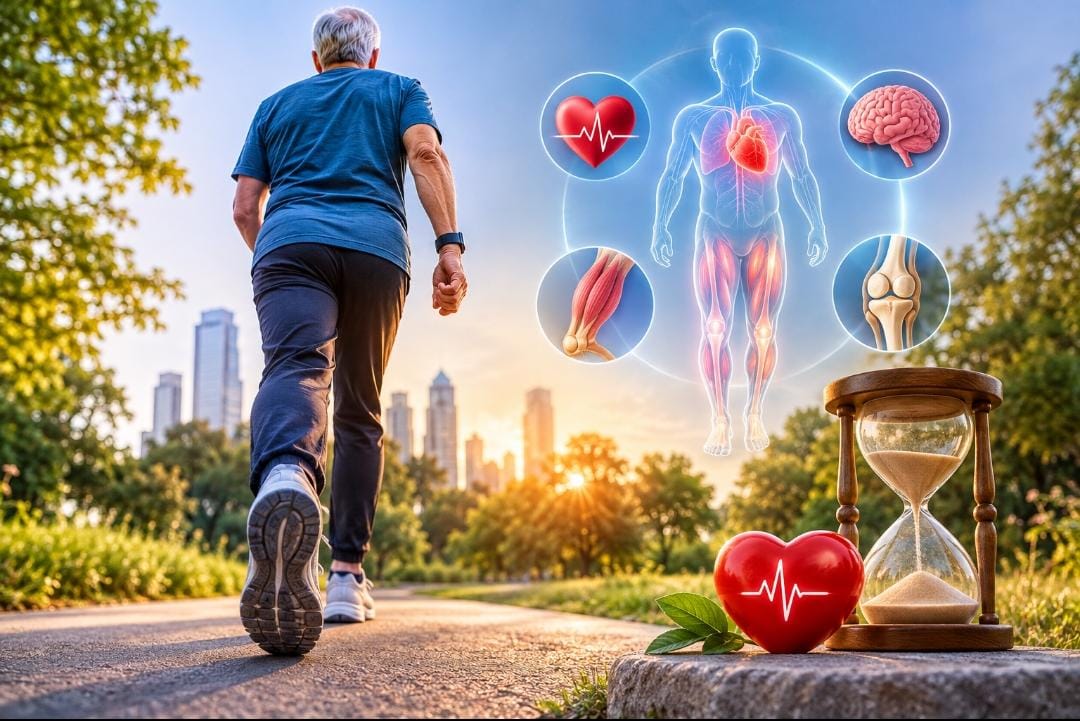
Walking Speed and Longevity: Can Your Steps Reveal Your Health and Future?
Walking speed may reveal more than physical fitness. Research involving hundreds of thousands of participants has linked faster walking with a lower risk of death, making it a useful indicator of functional health, particularly in older adults. However, it cannot independently predict lifespan or guarantee a longer life.
Read article
Exercise: Medicine for the Body and Mind – How Does Physical Activity Affect Immune, Chronic, and Mental Health Conditions?
Exercise does far more than burn calories and build muscle. Regular physical activity can help regulate inflammation, support immune function, improve mental well-being, and manage several chronic conditions.
Read article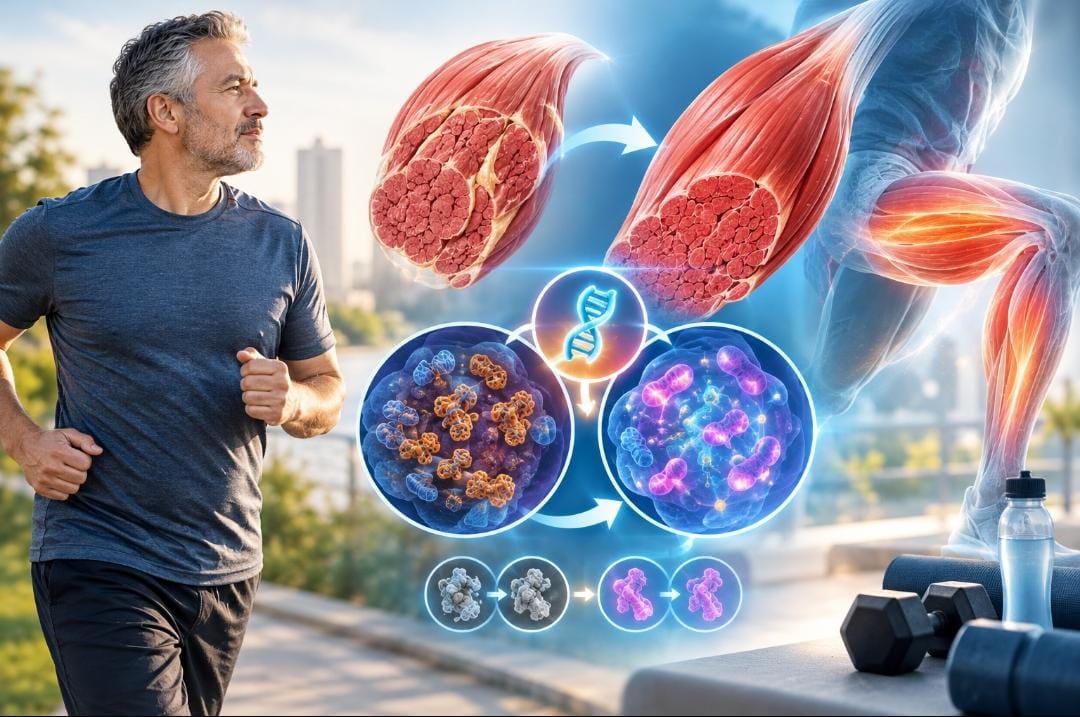
Can Exercise Restore Youthful Muscle? A New Discovery Offers Hope for Combating Muscle Aging
As we age, muscles lose strength and become less efficient at maintaining and repairing themselves. New research into the DEAF1 gene suggests that exercise may influence the cellular processes involved in muscle aging, although the findings remain preliminary and require further investigation in humans.
Read article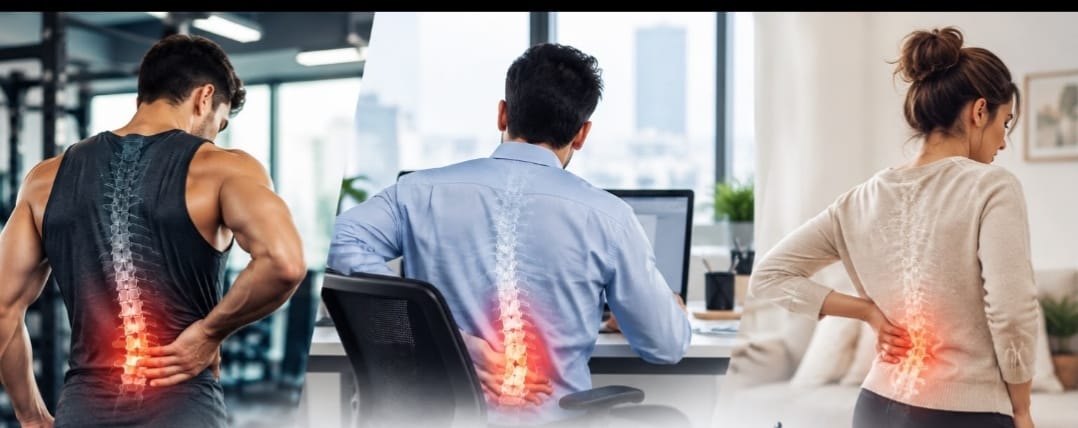
Movement Is Medicine: How Can Exercise Help Reduce Back Pain?
Regular movement, core strengthening, and gentle stretching may help relieve back pain and improve everyday function. Learn how exercises such as planks, Cat-Cow, and pelvic tilts may help, when to modify activity, and which warning signs require urgent medical attention.
Read article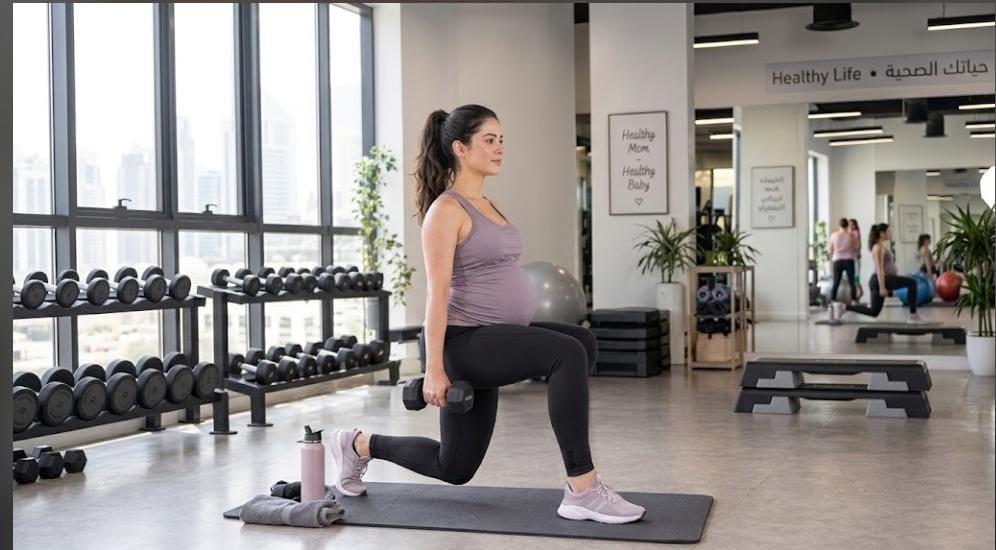
Exercise During Pregnancy: Is It Safe for the Mother and Baby ?
Exercise during an uncomplicated pregnancy is generally encouraged and can support maternal fitness, mental health, and healthy weight gain while reducing the risk of certain pregnancy complications. Learn how much activity is recommended, which exercises may be suitable, how to recognize warning signs, and when medical advice is necessary.
Read article
Which Is Faster at Burning Fat: Diet or Cardio and Resistance Training?
Diet, cardio, and resistance training play different but complementary roles in fat loss. A sustainable calorie deficit drives weight loss, cardio increases energy expenditure and fitness, while resistance training helps preserve muscle during fat loss.
Read article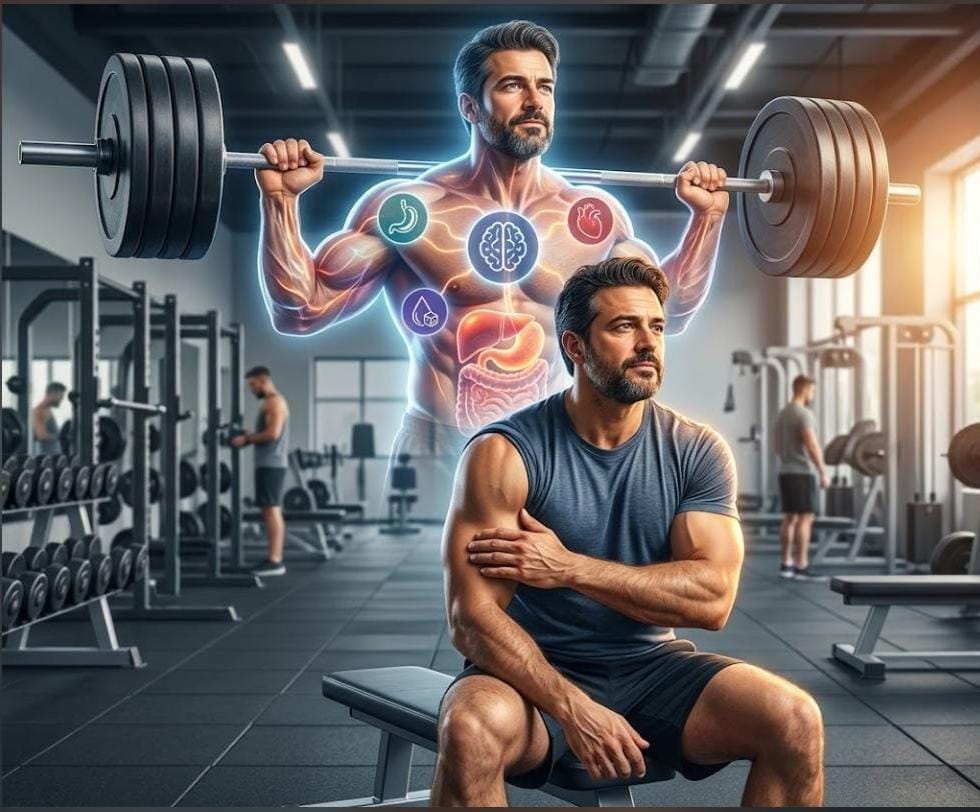
The Body Doesn't Forget … What Happens When You Return to Exercise After a Long Break ?
Stopping exercise for months can reduce strength, muscle mass, and endurance, but returning to training does not necessarily mean starting from zero. Learn what muscle memory really means, how previous training may help recovery, and how to return to exercise safely after a long break.
Read article
Exercise, Brain Health, and Memory: Can Physical Activity Improve Student Performance?
Exercise does more than strengthen the body. Research suggests that regular physical activity can support memory, attention, executive function, and mental well-being in children and adolescents, making movement an important part of a healthy lifestyle during the school year.
Read article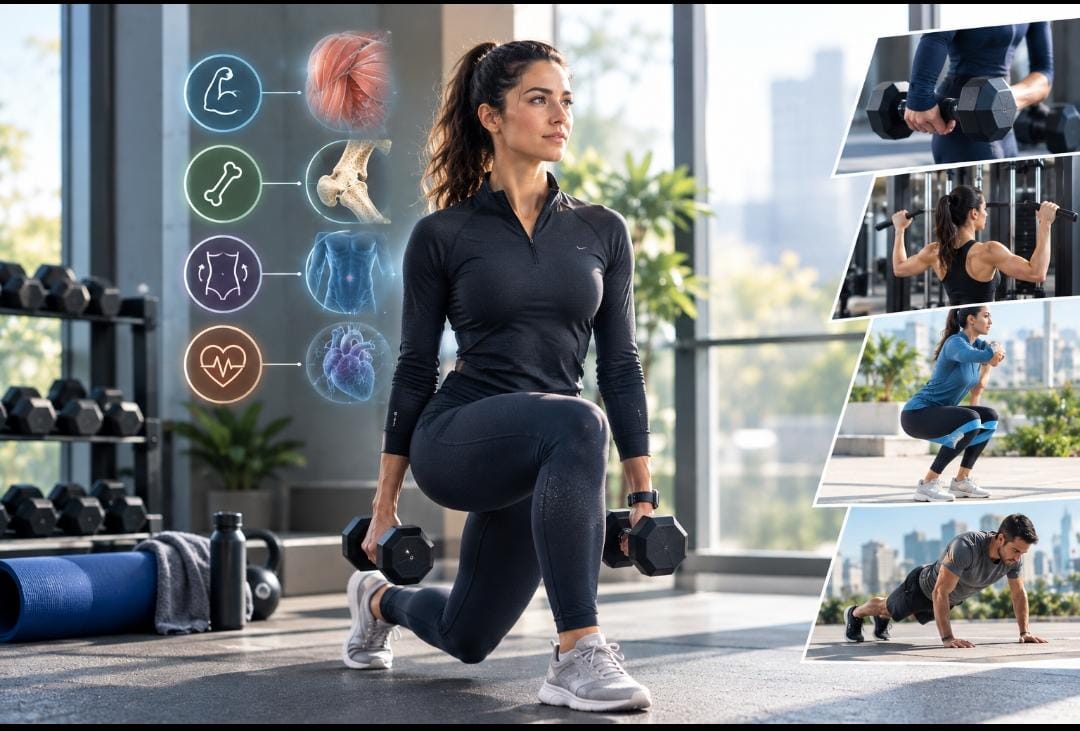
Resistance Training: Why Do Your Muscles Need More Than Just Walking?
Walking is excellent for cardiovascular fitness and daily activity, but your muscles need resistance training to maintain strength and function. From weights and gym machines to resistance bands and bodyweight exercises, resistance training can support muscle strength, bone health, mobility, and healthy aging.
Read article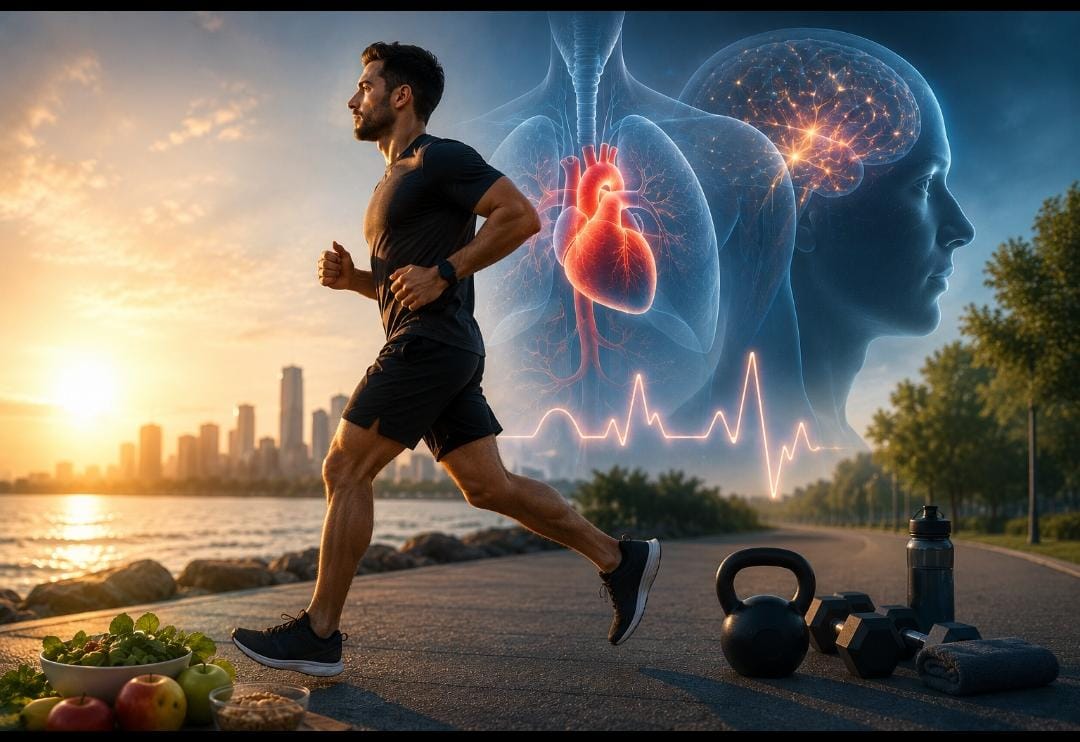
Cardio Exercise: The Real Engine Behind Your Health and Fat Burning
Cardio is more than a way to burn calories. Learn how cardiovascular exercise improves cardiorespiratory fitness, heart and blood vessel health, insulin sensitivity, endurance, and mental well-being, and understand the differences between LISS and HIIT.
Read article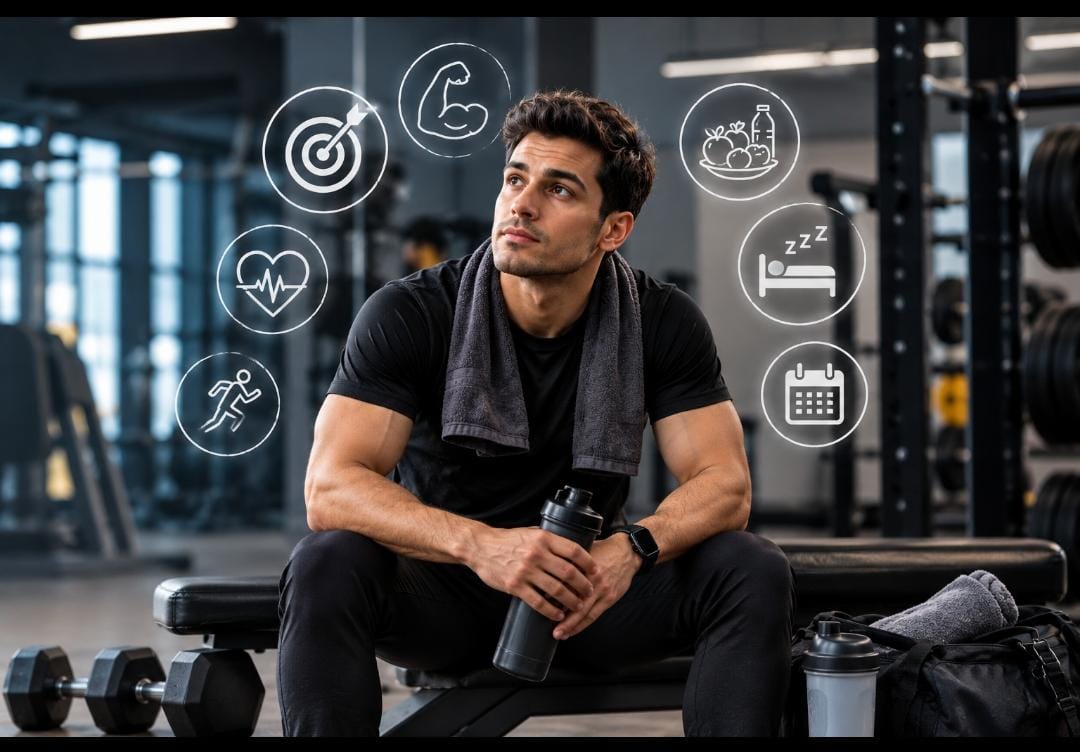
Your First Steps at the Gym: How to Start Training Safely and Effectively
Going to the gym for the first time can feel overwhelming. Learn how to choose your goal, start resistance training safely, select exercises, progress gradually, and build a fitness routine you can maintain.
Read article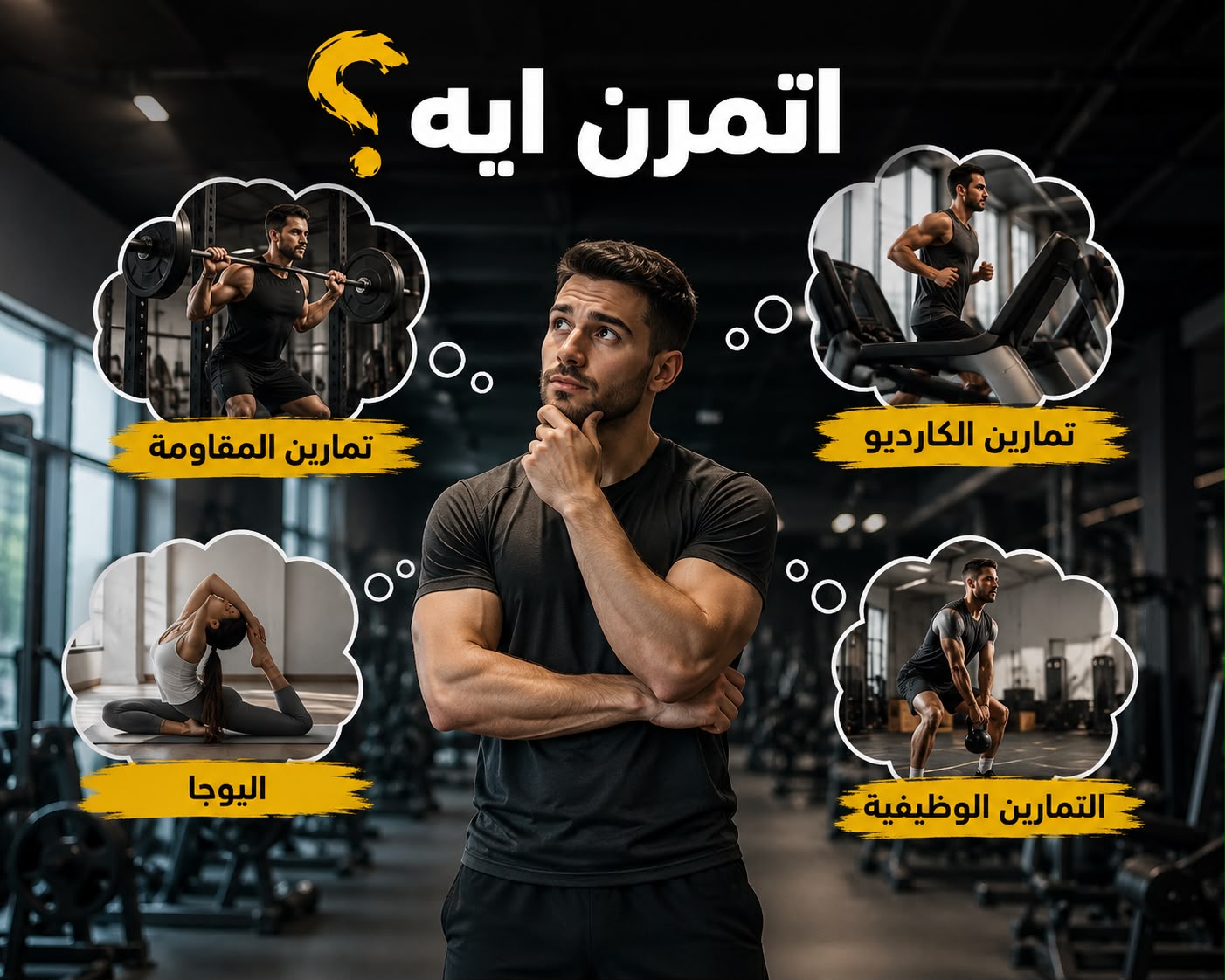
Your First Day at the Gym: How to Choose the Right Type of Training for Your Goal
Starting your fitness journey doesn't have to be complicated. The best workout program isn't the most intense—it's the one that matches your goals, fitness level, and health status. Learn the differences between resistance training, cardio, functional training, and flexibility exercises, and discover how to build a balanced routine you can maintain for long-term success.
Read article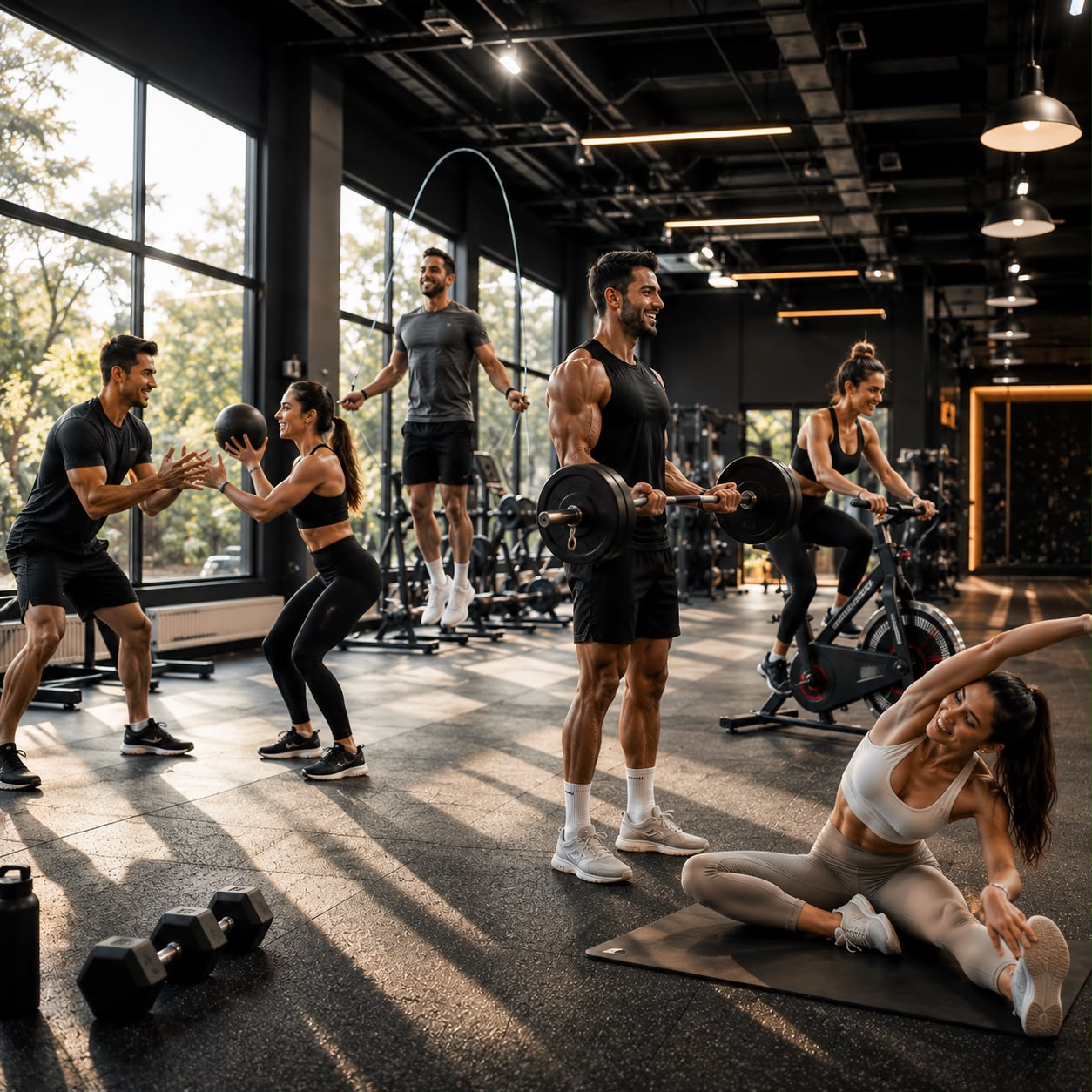
Why Do You Start with Enthusiasm, Then Stop? 10 Science-Based Steps to Turn Exercise into a Sustainable Lifestyle
"Starting exercise is easy—but staying consistent is the real challenge. Discover 10 science-based strategies that can help turn physical activity from a temporary burst of motivation into a sustainable lifestyle."
Read article
Exercise Is Not Just About Losing Weight… It’s About Living Better
Modern research shows the real payoff of exercise — a stronger heart, better blood sugar, denser bones, and a sharper mind — begins long before the scale ever moves.
Read article