Latest in General Health
Evidence-based articles on everyday health, prevention, and wellbeing — reviewed for accuracy before publishing.

Can Sleeping More Than 8 Hours Cause Death?
Sleeping more than 8 hours does not mean that sleep itself causes death. Research has found an association between habitual long sleep and higher mortality risk, but this does not prove that longer sleep causes death. Catch-up sleep after a period of sleep deprivation may tell a different story.
Read article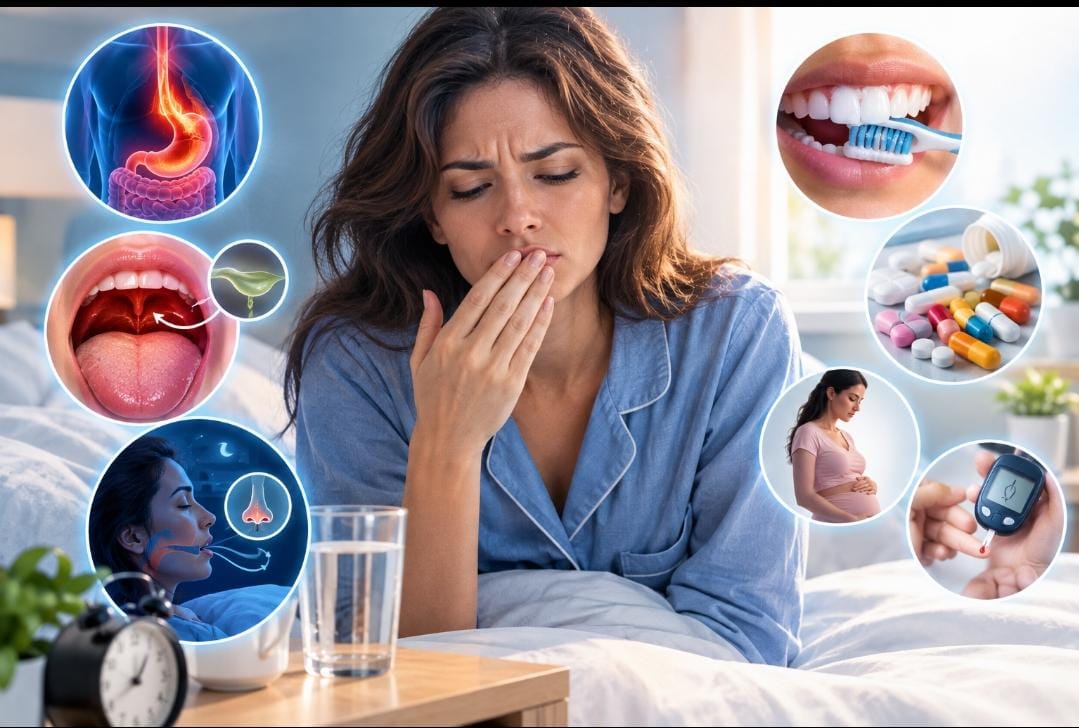
Persistent Bitter Taste in the Mouth Upon Waking Does Not Necessarily Mean Liver or Gallbladder Problems
A bitter or unpleasant taste in the mouth upon waking does not necessarily mean a liver or gallbladder problem. Dry mouth, oral bacteria, mouth breathing, acid reflux, medications, taste disorders, pregnancy, and other conditions can all contribute to morning bitterness.
Read article
Can Good Sleep Slow Down the Aging of Your Body? .. Treating Insomnia Opens a New Door to “Biological Age
Treating chronic insomnia may do more than improve daytime energy and sleep quality. A recent study in older adults found that recovery from insomnia was associated with a slower pace of biological aging, but the findings do not prove that treating insomnia reverses aging or extends lifespan.
Read article
Surgery in the Era of Blood Thinners: The Silent Risk of Aspirin and Herbal Supplements Before Entering the Operating Room
Aspirin, vitamins, herbs, and dietary supplements can affect bleeding, blood pressure, blood sugar, or interactions with anesthesia. Learn why patients should disclose everything they take before surgery and why stopping aspirin or other blood-thinning medications requires an individualized medical decision.
Read article
When the Mother’s Immune System Becomes Activated… How Is the Fetal Brain Affected?
Infections and fever during pregnancy can activate the maternal immune system and trigger inflammatory signals that researchers are studying in relation to fetal brain development. But does maternal infection cause autism? Here is what current research can and cannot tell us.
Read article
Surprise !! Your Fat May Burn Energy Instead of Storing It.. Meet the “Little Furnace” Inside Your Body
Not all body fat behaves the same way. White fat primarily stores energy, while brown and beige fat can dissipate part of that energy as heat through thermogenic mechanisms involving mitochondria and UCP-1. But can activating brown fat really help with weight loss?
Read article
The Silent Risk Triangle: Diabetes, Fatty Liver, and Atherosclerosis
Diabetes, metabolic dysfunction-associated steatotic liver disease (MASLD), and atherosclerosis may appear to be separate conditions, but they can share underlying metabolic drivers such as insulin resistance, visceral obesity, and abnormal blood lipids. Understanding the connection can help identify cardiometabolic risk before obvious symptoms appear.
Read article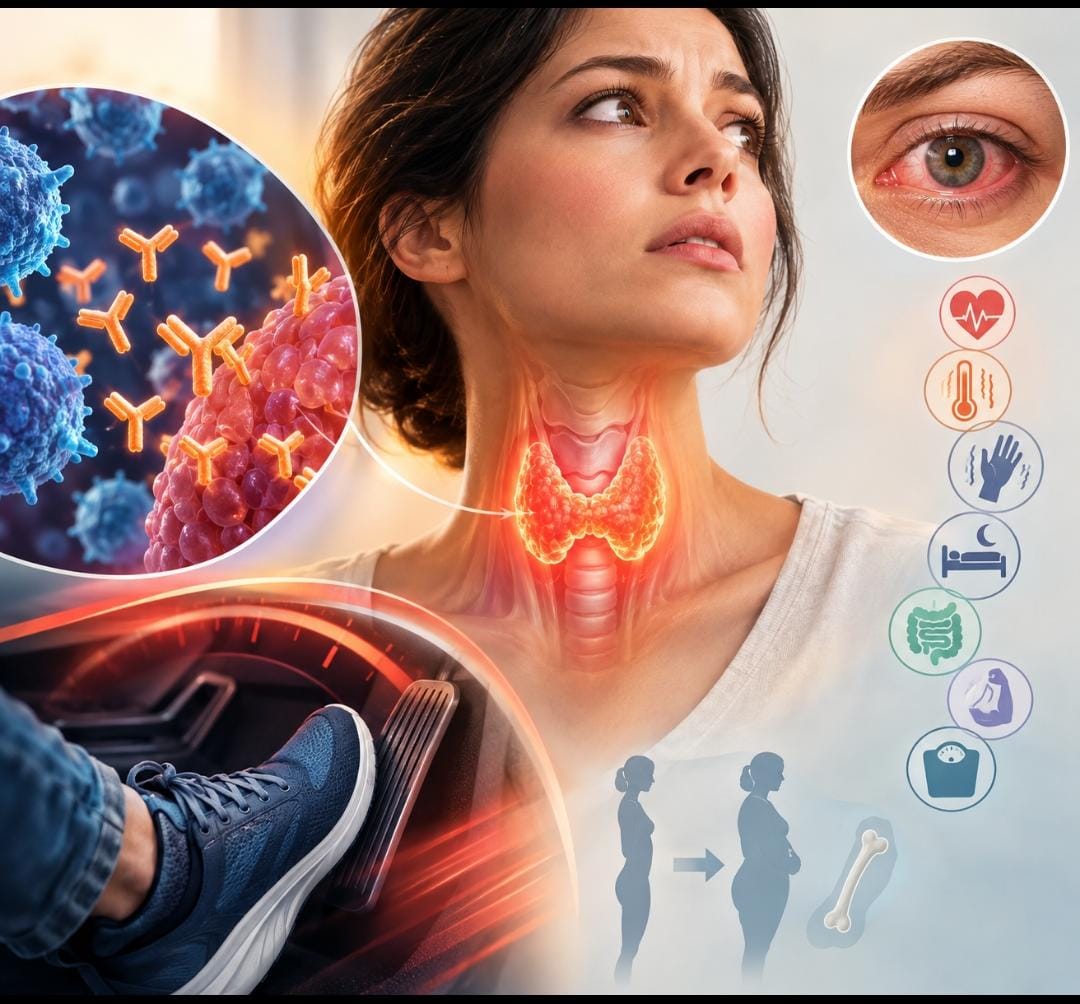
When the Immune System Presses the Gas Pedal
Graves’ disease is an autoimmune cause of hyperthyroidism that can begin with palpitations, weight loss, heat intolerance, tremor, anxiety, and sleep problems. Understanding its effects on the thyroid, heart, muscles, bones, eyes, and body weight is essential for effective treatment.
Read article
Do Calcium and Vitamin D Supplements Really Protect Against Fractures? And What About Their Relationship with Kidney Stones and Potential Heart Risks?
Calcium and vitamin D are essential for bone health, but routine supplementation does not necessarily prevent fractures in every healthy adult over 50. Here is what the evidence says about fracture prevention, kidney stones, cardiovascular risks, and when supplements may actually be needed.
Read article
Bariatric Surgery Is Not a “Cosmetic Option”.. When Does It Become a Therapeutic Intervention to Protect the Heart, Liver, and Metabolism?
Bariatric and metabolic surgery is no longer viewed simply as a cosmetic way to lose weight. Procedures such as sleeve gastrectomy and gastric bypass can produce substantial and durable weight loss while improving type 2 diabetes and other obesity-related health problems, making surgery an important treatment option for appropriately selected patients.
Read article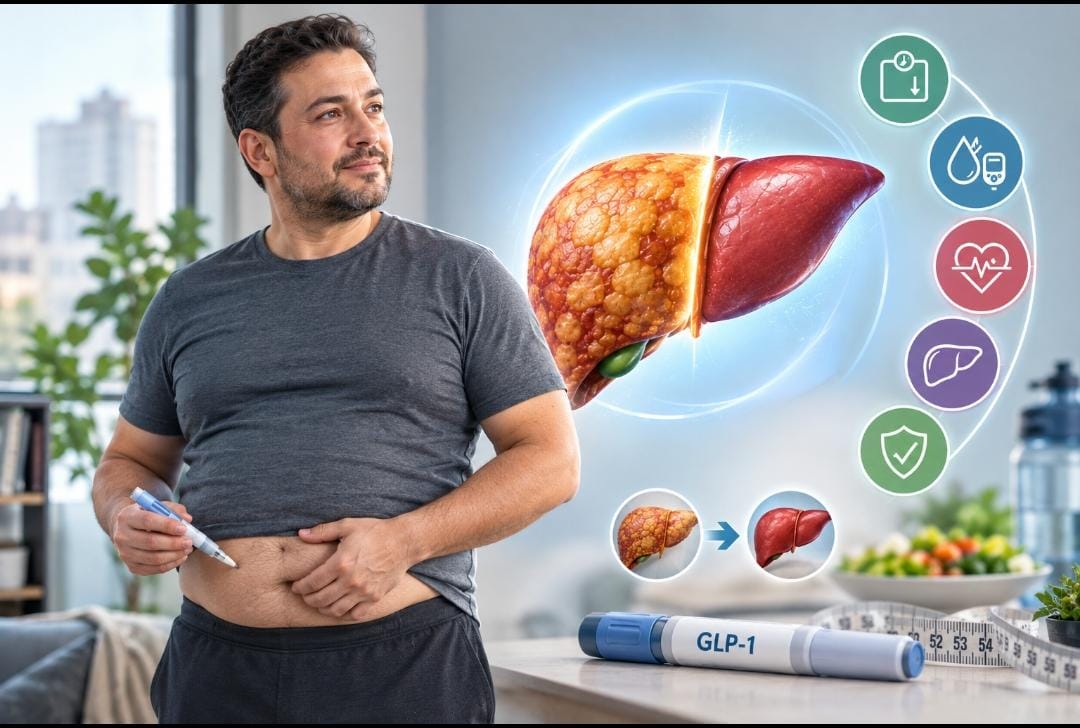
GLP-1 Weight-Loss Injections Do More Than Reduce Weight.. What Do They Do to the Liver?
GLP-1-based medications are changing the treatment landscape for obesity and metabolic dysfunction-associated steatohepatitis (MASH). Clinical trials of semaglutide and tirzepatide have shown improvements in MASH and liver fibrosis, while semaglutide is now FDA-approved for adults with noncirrhotic MASH and moderate-to-advanced fibrosis.
Read article
4 Common Habits That Accelerate Aging and Steal Your Body’s Strength Over the Years
Aging is natural, but daily habits can strongly influence how well the body maintains muscle, bone health, mobility, cardiovascular health, and metabolic function. From prolonged sitting to neglecting resistance training and preventive care, seemingly ordinary habits can gradually reduce physical strength and independence.
Read article
Precocious Puberty in Children: How Does Medical Treatment Regulate Central Precocious Puberty??
Central precocious puberty occurs when the body’s puberty axis becomes active earlier than expected. Understanding how GnRH agonists temporarily suppress this process, and the role of nutrition, healthy weight, calcium, and vitamin D, can help protect normal growth and development.
Read article
Artificial Intelligence Enters the Operating Room: Will AI Help Surgeons or Replace Them ?
Artificial intelligence is moving into the operating room, from analyzing medical imaging before surgery to assisting with real-time information during procedures and estimating the risk of complications. But will AI replace surgeons, or will it become a powerful tool that expands their capabilities?
Read article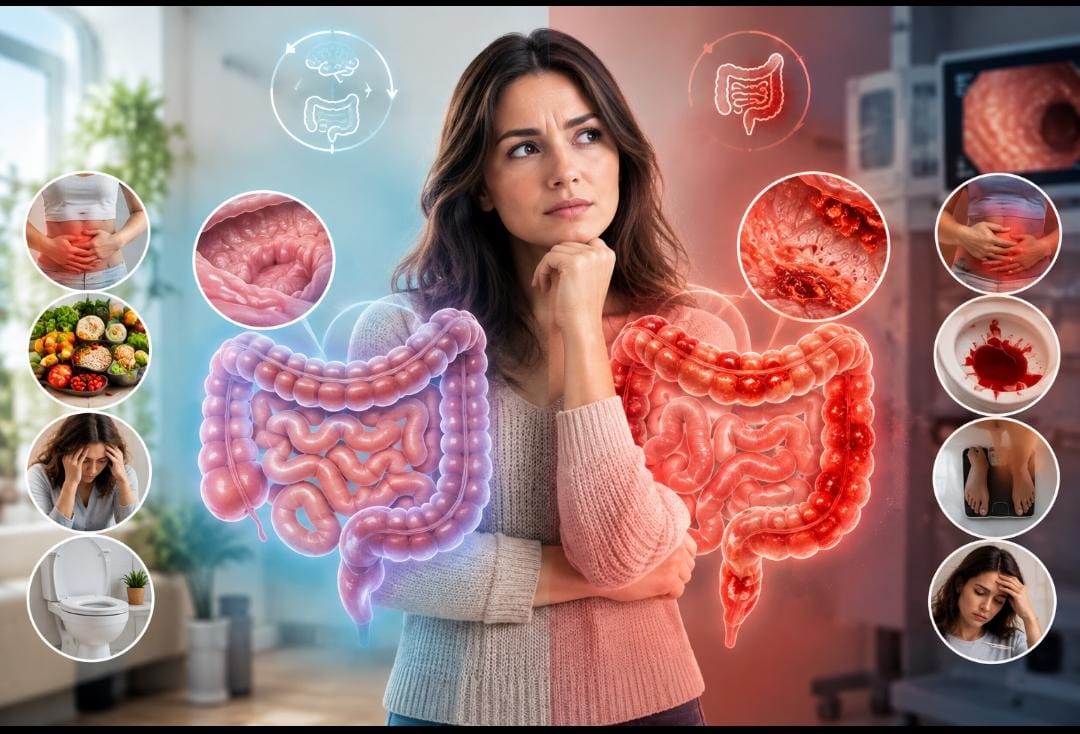
Irritable Bowel Syndrome or Inflammatory Bowel Disease? When Symptoms Look Similar but the Story Is Completely Different
Abdominal pain, bloating, diarrhea, and changes in bowel habits can occur in both Irritable Bowel Syndrome (IBS) and Inflammatory Bowel Disease (IBD). Understanding the warning signs, diagnostic tests, and treatment goals can help distinguish a functional gut-brain disorder from genuine intestinal inflammation.
Read article
How Can Gut Bacteria Affect the Healing of Intestinal Anastomoses?
An intestinal anastomosis can leak even when the surgical technique and blood supply appear adequate. Learn how the gut microbiome, Enterococcus faecalis, collagen breakdown, inflammation, antibiotics, and other biological factors may influence anastomotic healing—and why microbiome-based prevention is still under investigation.
Read article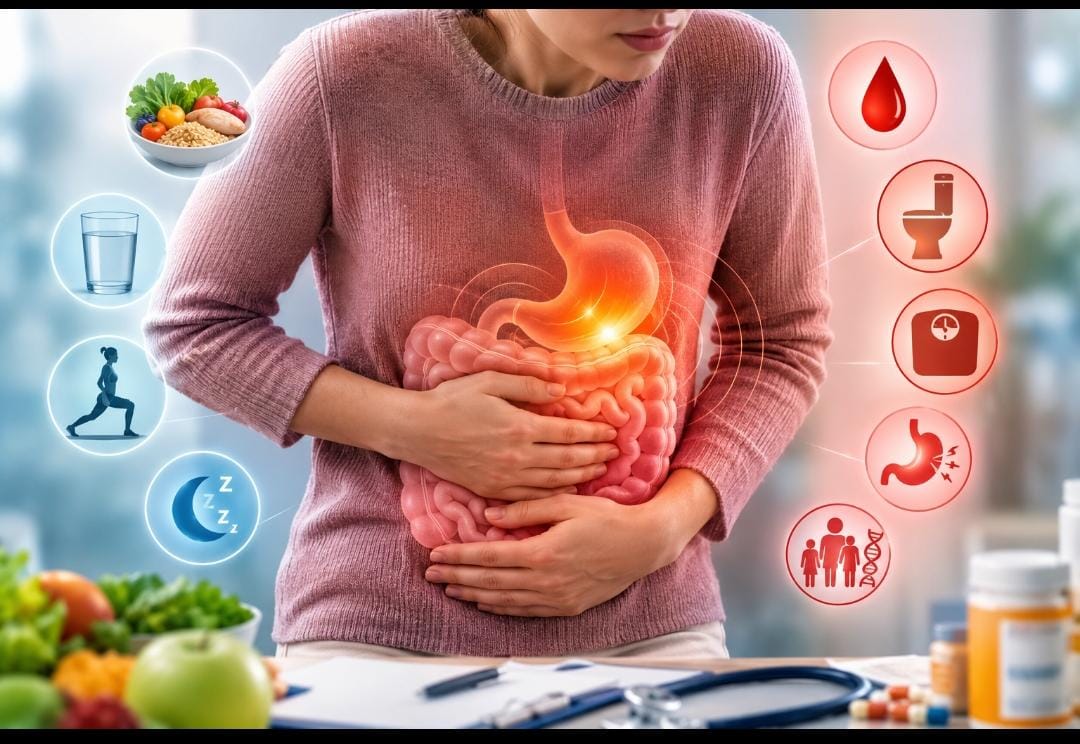
When Your Digestive System Speaks... How Do You Distinguish Between Functional Symptoms and Red Flags?
Bloating, heartburn, indigestion, constipation, and diarrhea are common digestive symptoms, but they do not always mean IBS or simple acidity. Learn the difference between functional gastrointestinal disorders and warning signs such as bleeding, unexplained weight loss, anemia, dysphagia, and persistent symptoms that may require medical evaluation.
Read article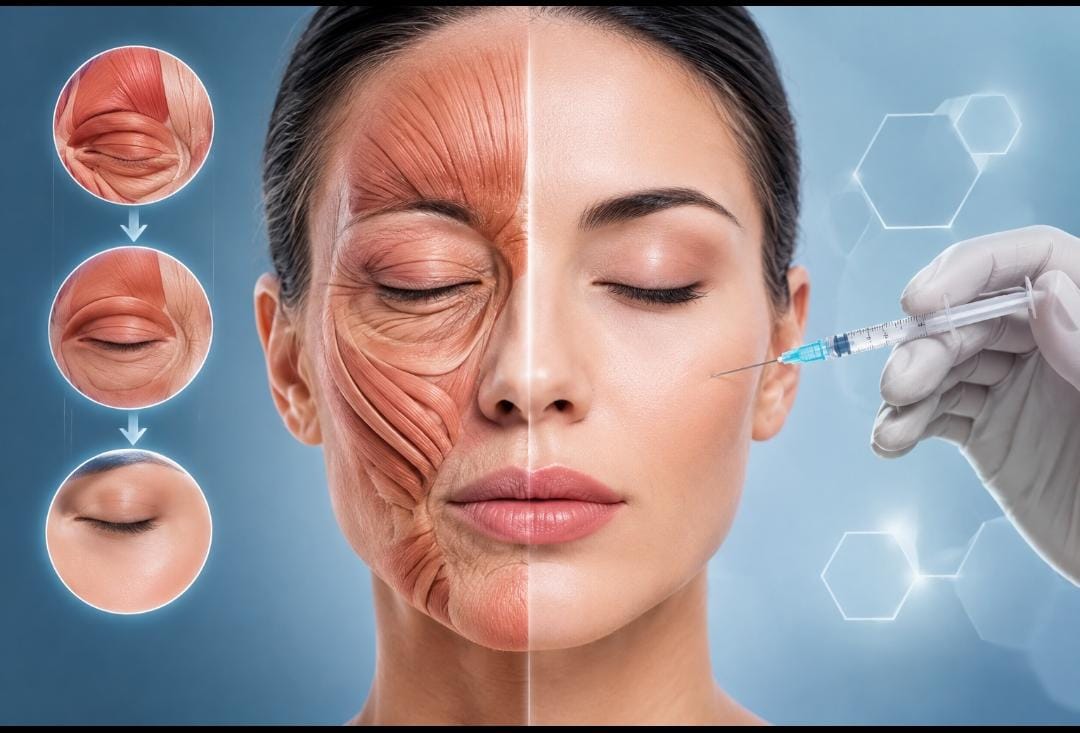
(Baby Botox).. Are Smaller Doses of Botox Always Safer? What Happens to Facial Muscles With Repeated Use?
Baby Botox uses smaller amounts of botulinum toxin, but a lower dose does not automatically mean zero risk. Learn how Botox affects facial muscles, whether repeated injections can cause muscle atrophy, why facial balance matters, and what to know about preventive Botox and treatment resistance.
Read article
Liver Enzymes Are Normal… So Is Your Liver Really Healthy? Why ALT and AST Alone Are Not Enough To Assess Liver Health
Normal ALT and AST levels do not necessarily mean that your liver is completely healthy. Learn what liver enzymes actually measure, why liver disease and fibrosis can exist despite normal results, and how tests such as bilirubin, albumin, INR, and FIB-4 help provide a more complete assessment.
Read article
Pomegranates and Heart Health: How Gut Bacteria May Turn Food Into a Promising Heart Failure Compound
A compound called Urolithin A, produced by gut bacteria from plant compounds found in foods such as pomegranates, has shown promising effects in experimental models of heart failure. But this does not mean that pomegranates can treat heart failure in humans.
Read article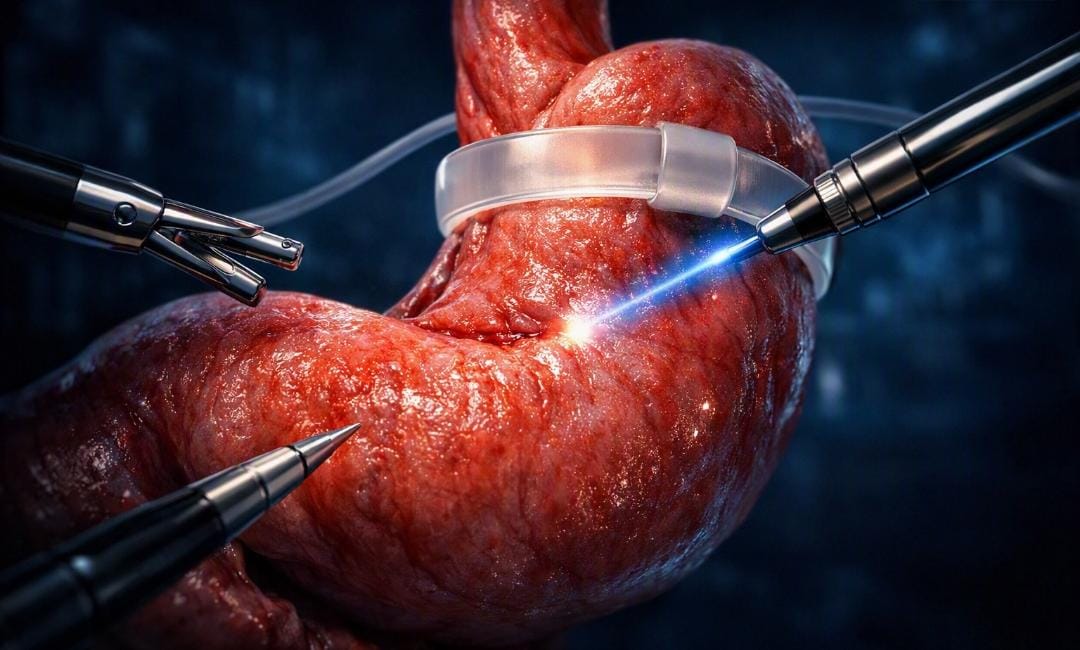
When an Old Gastric Band Fails and Becomes a Hidden Problem: Is Revisional Surgery the Solution?
What happens to a gastric band years after implantation? Learn about band slippage, erosion, weight regain, diagnostic tests, and when revisional bariatric surgery may involve band removal, sleeve gastrectomy, or gastric bypass.
Read article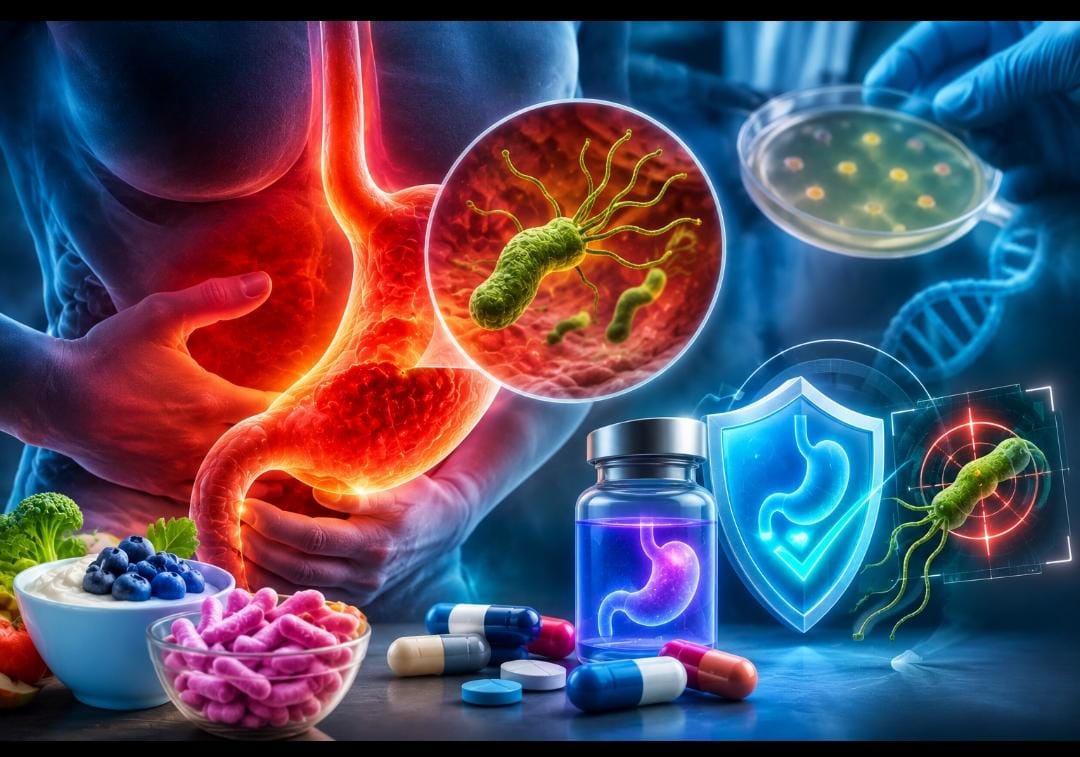
A New Battle Against H. pylori: Why Is Its Treatment Changing in 2026?
Why is the traditional triple therapy no longer suitable for everyone with H. pylori? Discover how antibiotic resistance, P-CABs such as vonoprazan, susceptibility testing, bismuth quadruple therapy, and test-of-cure strategies are changing modern treatment.
Read article
Do Some of Your Memories Begin in Your Stomach? A New Study Reveals a Link Between Food and Memory
A new study in mice suggests that signals from the digestive system may travel through the vagus nerve and influence brain circuits involved in memory. The findings offer new insights into the gut–brain connection, but they do not yet prove the same mechanism in humans.
Read article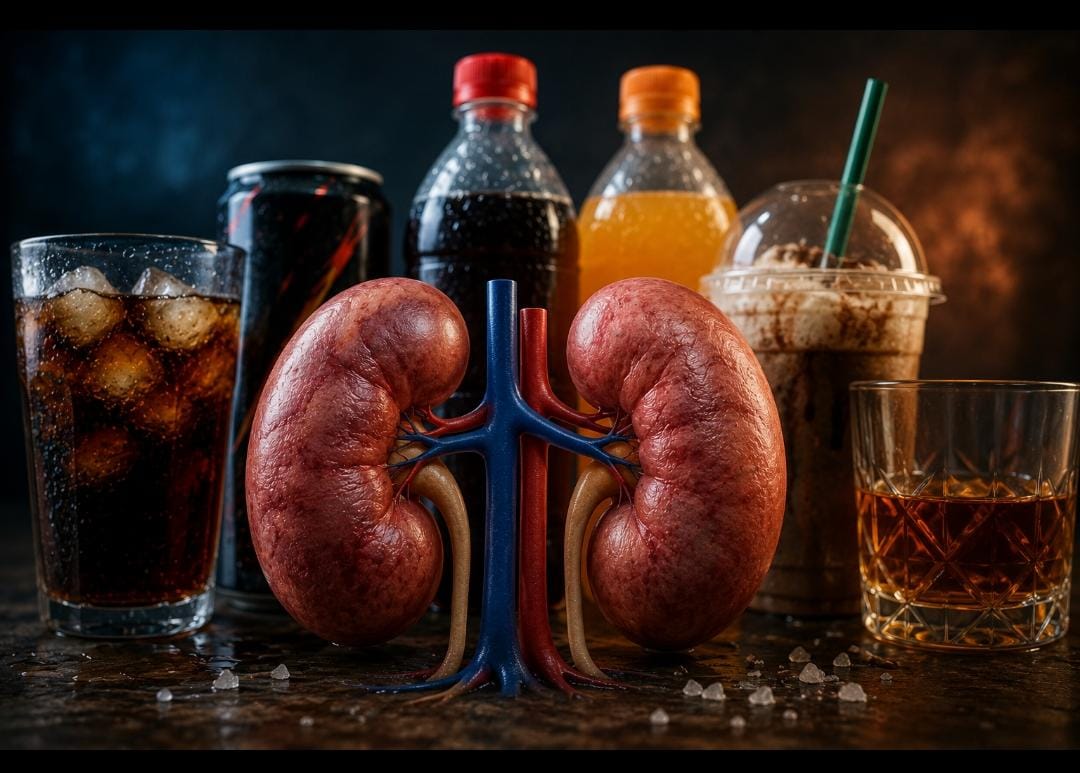
5 Drinks That May Harm Your Kidneys and Why They Deserve a Second Look.
Not every drink is harmful to the kidneys, but chronic and excessive consumption of certain beverages may increase kidney-related risks, especially in people with diabetes, high blood pressure, or existing kidney disease. Learn which drinks deserve a second look and how everyday choices can support kidney health.
Read article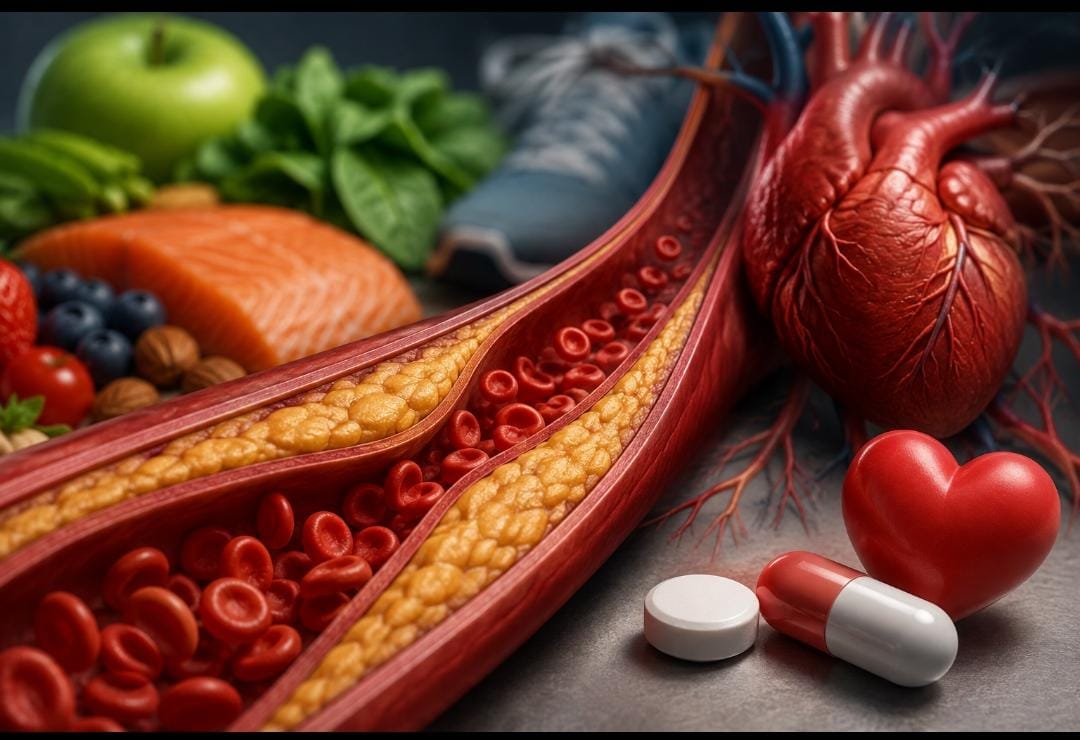
The Latest Medical Guidelines and Recommendations for Cholesterol-Lowering Medications
Having high cholesterol does not automatically mean you need medication, while a seemingly good cholesterol result does not always mean your cardiovascular risk is low. Updated recommendations place greater emphasis on overall cardiovascular risk, while also highlighting the roles of LDL-C, Lp(a), ApoB, coronary artery calcium, and other risk factors in treatment decisions.
Read article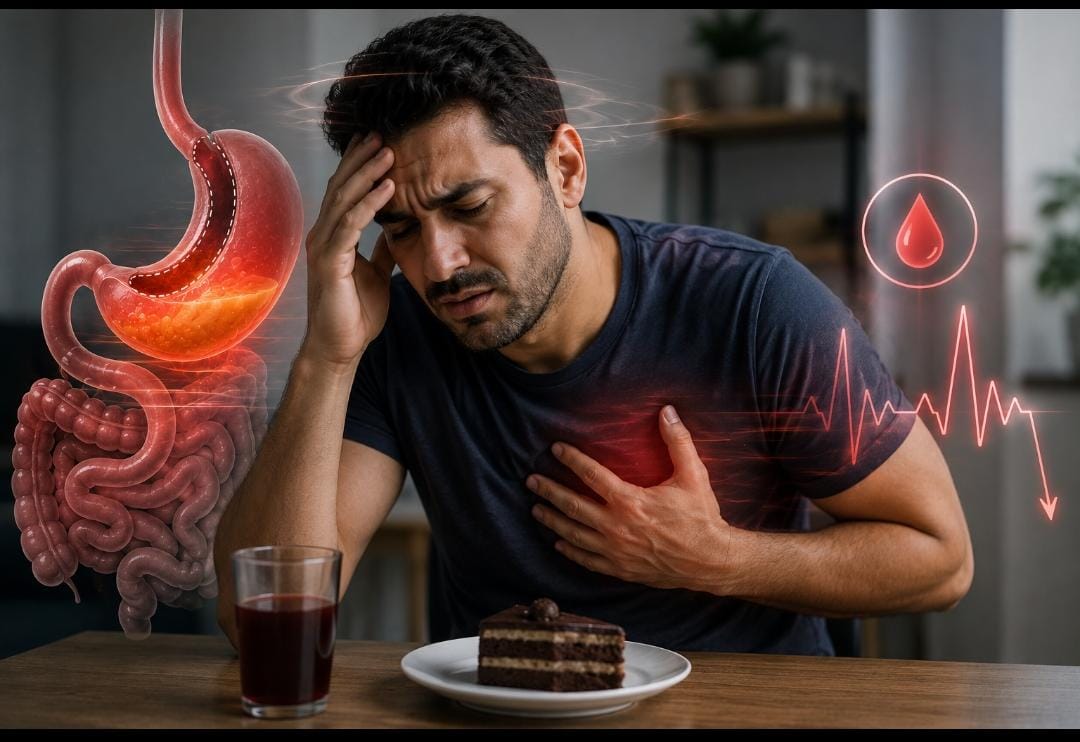
Why Might You Feel Weak After Eating Following Bariatric Surgery? Dumping Syndrome Could Be the Reason
Sudden weakness, dizziness, sweating, or a racing heart after eating can be alarming following bariatric surgery. These symptoms may be related to Dumping Syndrome, a condition that occurs when food moves too rapidly from the stomach into the small intestine. Understanding the difference between early and late dumping can help patients recognize triggers and manage symptoms through appropriate dietary changes.
Read article
The Sugar Spoon That’s Fooling You: How One “Teaspoon” Can Quietly Throw Off Your Diet
Many people believe they consume only a couple of teaspoons of sugar each day, but household spoons and the way they are filled can dramatically change the actual amount. Understanding the difference between measuring spoons and everyday spoons may help you avoid hidden calories and better control your sugar intake.
Read article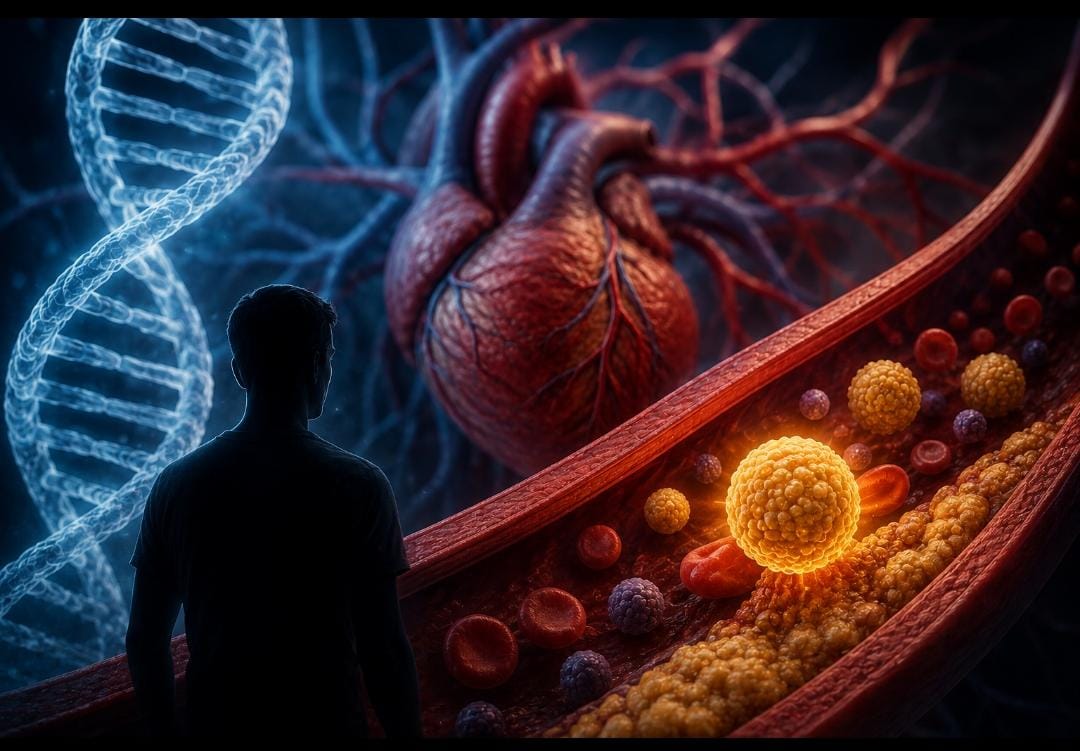
Your Lipid Panel Looks Excellent… But What Are Your Genes Hiding About Your Heart Health?
A normal-looking cholesterol test does not always mean that your cardiovascular risk is low. Lp(a) may be elevated without appearing on a standard lipid panel, and its level is largely determined by genetics. Although elevated Lp(a) does not mean that a heart attack or stroke is inevitable, identifying it can provide a more accurate assessment of cardiovascular risk and highlight the importance of controlling other risk factors such as LDL-C, blood pressure, diabetes, and smoking.
Read article
Managing High Blood Pressure: Is Table Salt the Only Culprit? The Hidden Balance Between Sodium and Potassium
High blood pressure management is about more than simply reducing salt. While limiting sodium remains essential, maintaining a healthy balance between sodium and potassium plays a crucial role in regulating blood pressure and supporting long-term cardiovascular health. Learn how dietary potassium works alongside sodium, which foods are naturally rich in potassium, and why balance—not elimination—is the key.
Read article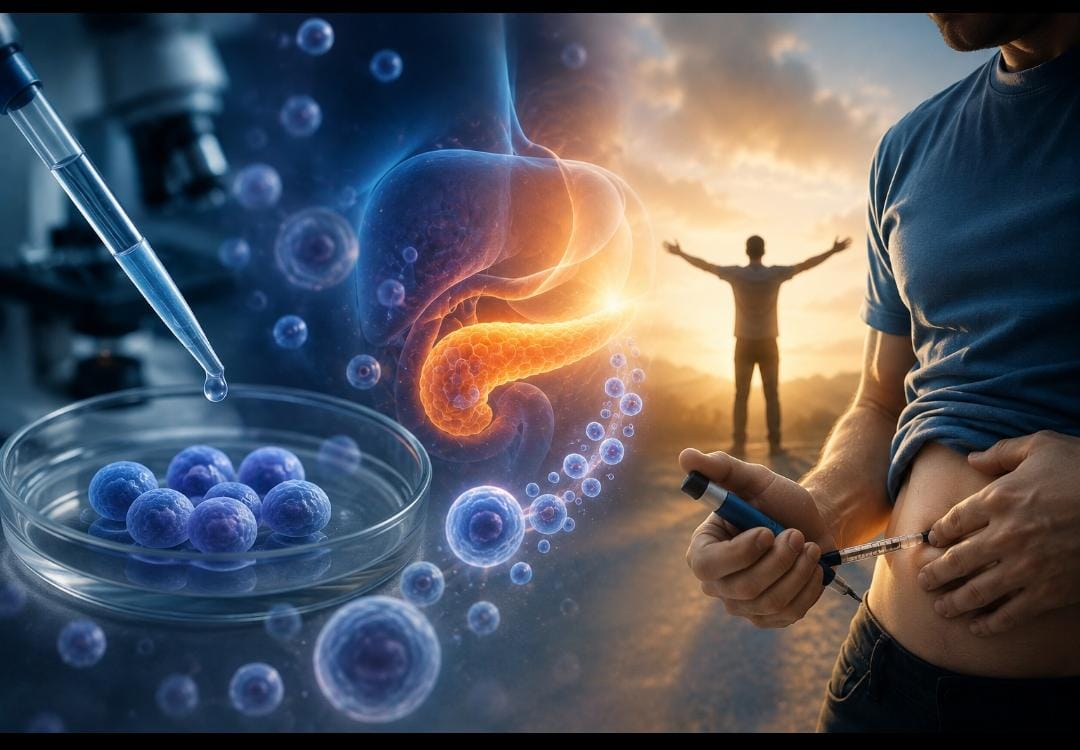
Is the End of Insulin Injections Approaching?
Can stem cells eliminate the need for insulin injections? Discover how stem cell-derived beta cells are changing the future of type 1 diabetes treatment, the latest clinical trial results, and why insulin remains essential today.
Read article
“I Tried It, and It Worked for Me” … When Personal Experience Becomes More Powerful Than Medical Expertise
Can one person's success story prove a treatment works? Learn why personal experiences, cognitive biases, and scientific evidence are not the same—and how to make safer medical decisions.
Read article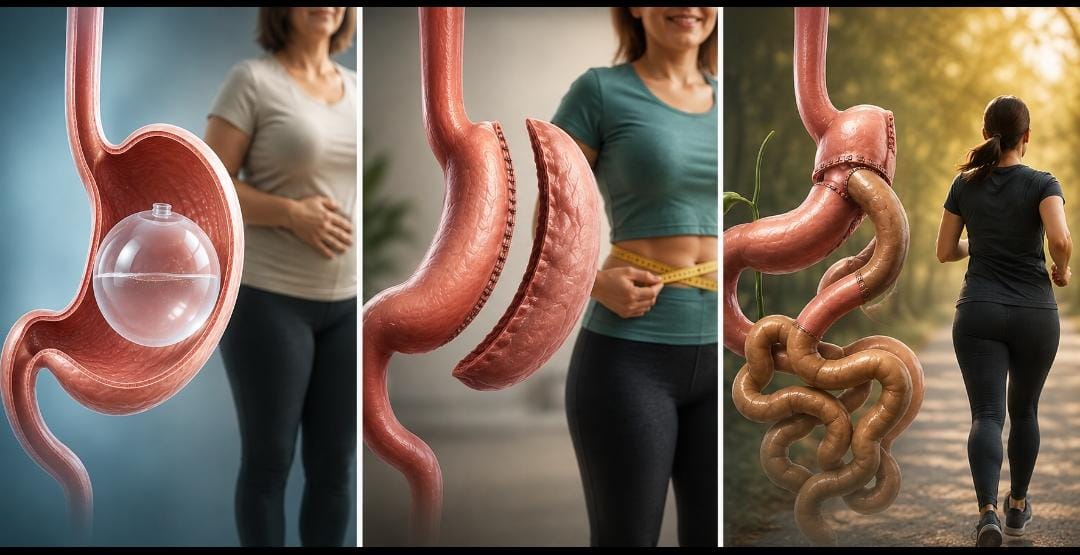
Bariatric Surgeries : Sleeve, Balloon, or Gastric Bypass .. Which Option Is Right for You ?
Bariatric procedures offer more than weight loss—they may also improve conditions such as type 2 diabetes, hypertension, and sleep apnea. Learn the differences between the gastric balloon, sleeve gastrectomy, and gastric bypass, and how doctors determine the most appropriate option for each patient.
Read article
Oxygen Facial Treatments for Younger-Looking Skin… Do They Really Stimulate Collagen and Fight Wrinkles?
Although oxygen facials have become increasingly popular, strong scientific evidence does not support claims that they alone stimulate collagen production or treat wrinkles. They may provide temporary hydration and a brighter complexion, but many of their visible benefits may also result from cleansing, exfoliation, and skincare products used during the treatment.
Read article
The Morning Blood Sugar Mystery: Why Does Your Blood Sugar Rise Even Though You Fasted All Night?
Morning blood sugar can rise despite fasting overnight because of the Dawn Phenomenon or, less commonly, rebound hyperglycemia following nighttime hypoglycemia. Identifying the underlying cause through overnight glucose monitoring is essential because treatment varies accordingly.
Read article
7 Simple Habits That Could be Time Bombs in Your Daily Life !
Many everyday habits seem harmless, but repeating them incorrectly may increase the risk of health problems. This article highlights seven common habits, explains what happens inside the body, and offers practical ways to reduce their potential risks.
Read article
The Revolution in New Obesity Medications vs. Bariatric Surgery... Has the Era of the Scalpel Come to an End?
Modern obesity medications such as semaglutide and tirzepatide have transformed obesity treatment by helping many patients achieve significant weight loss. However, they have not replaced bariatric surgery, as the best treatment depends on each patient's health, obesity severity, and long-term goals.
Read article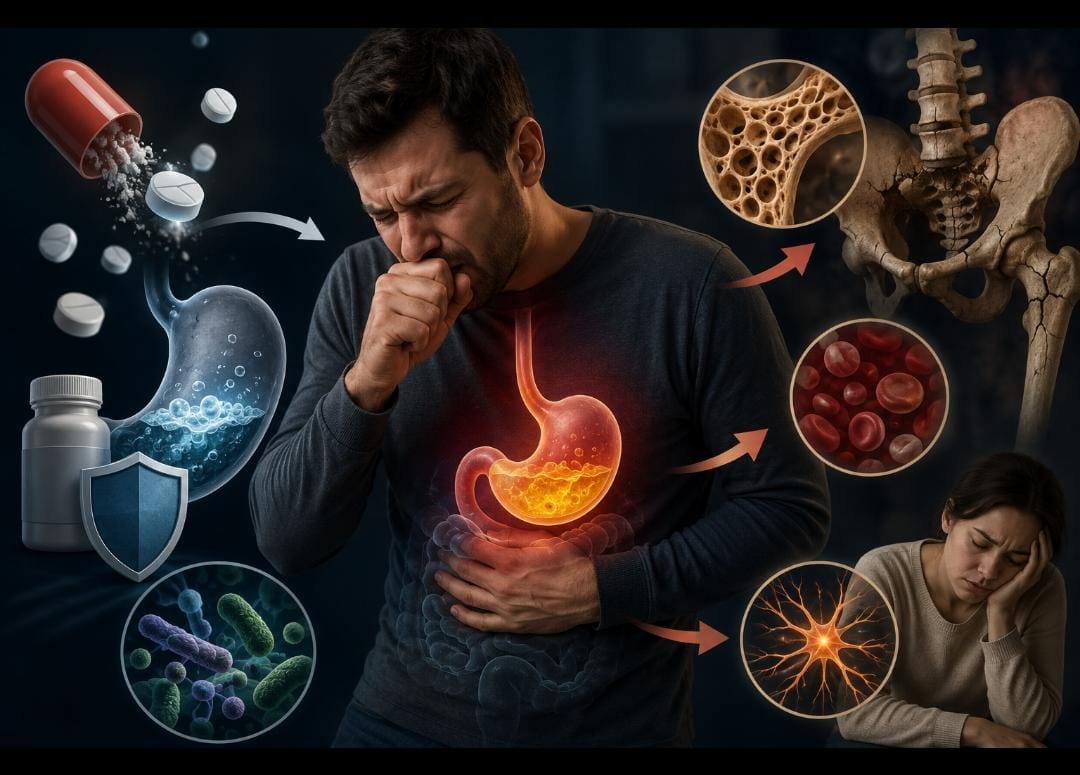
The Heartburn Trap : When Acid-Reducing Medications Cause Health Problems ?
Acid-reducing medications such as omeprazole and pantoprazole are highly effective when used for appropriate medical conditions. However, long-term use without regular medical review may be associated with nutrient deficiencies and other potential health risks, making periodic reassessment an important part of treatment.
Read article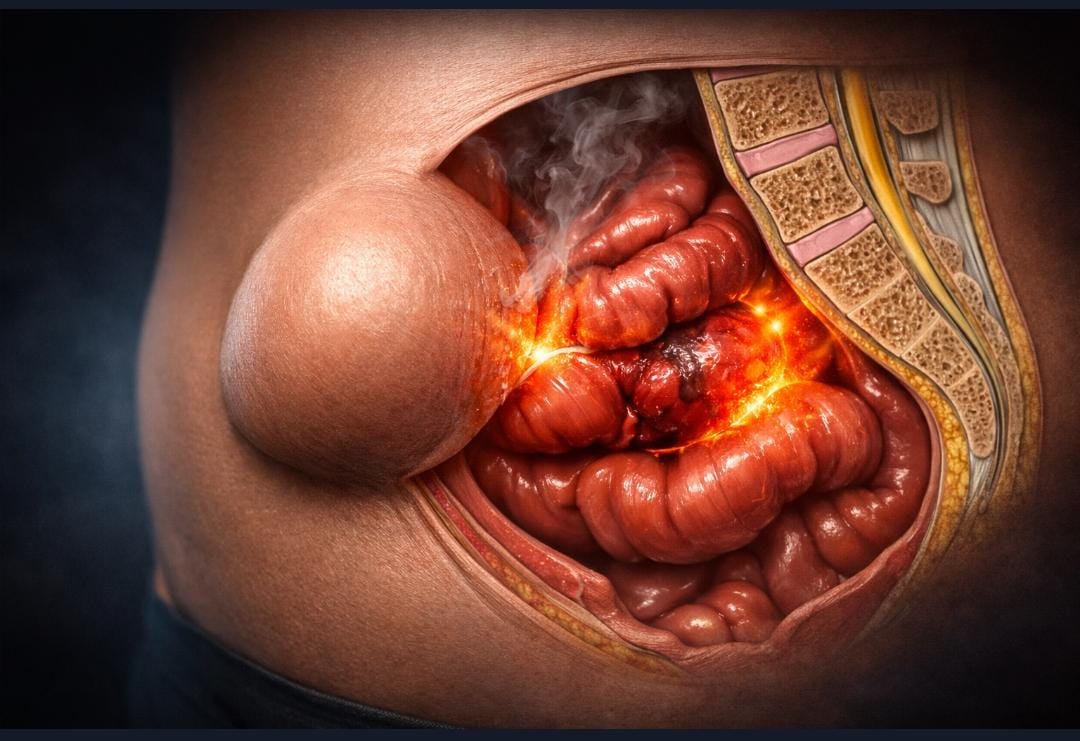
The Time Bomb Beneath the Skin... How Can a Simple Hernia Become a Threat to the Intestines?
A hernia may appear harmless, but if part of the intestine becomes trapped and its blood supply is cut off, it can rapidly turn into a life-threatening emergency. Early surgical evaluation is the best way to prevent serious complications.
Read article
Could Some Brain Diseases Begin in the Gut ? Get Ready for the Surprise ...
Could the story of some brain diseases begin in the gut rather than the brain itself? Emerging research suggests that biological changes linked to disorders such as Parkinson's disease may originate within the gastrointestinal tract years before neurological symptoms appear. Although these findings remain under active investigation, they are reshaping our understanding of the gut–brain axis and highlighting the potential role of the gut microbiome, intestinal barrier integrity, and immune signaling in neurodegenerative disease.
Read articleCould Some Brain Diseases Begin in the Gut ? Get Ready for the Surprise ...
Could the story of some brain diseases begin in the gut rather than the brain itself? Emerging research suggests that biological changes linked to disorders such as Parkinson's disease may originate within the gastrointestinal tract years before neurological symptoms appear. Although these findings remain under active investigation, they are reshaping our understanding of the gut–brain axis and highlighting the potential role of the gut microbiome, intestinal barrier integrity, and immune signaling in neurodegenerative disease.
Read article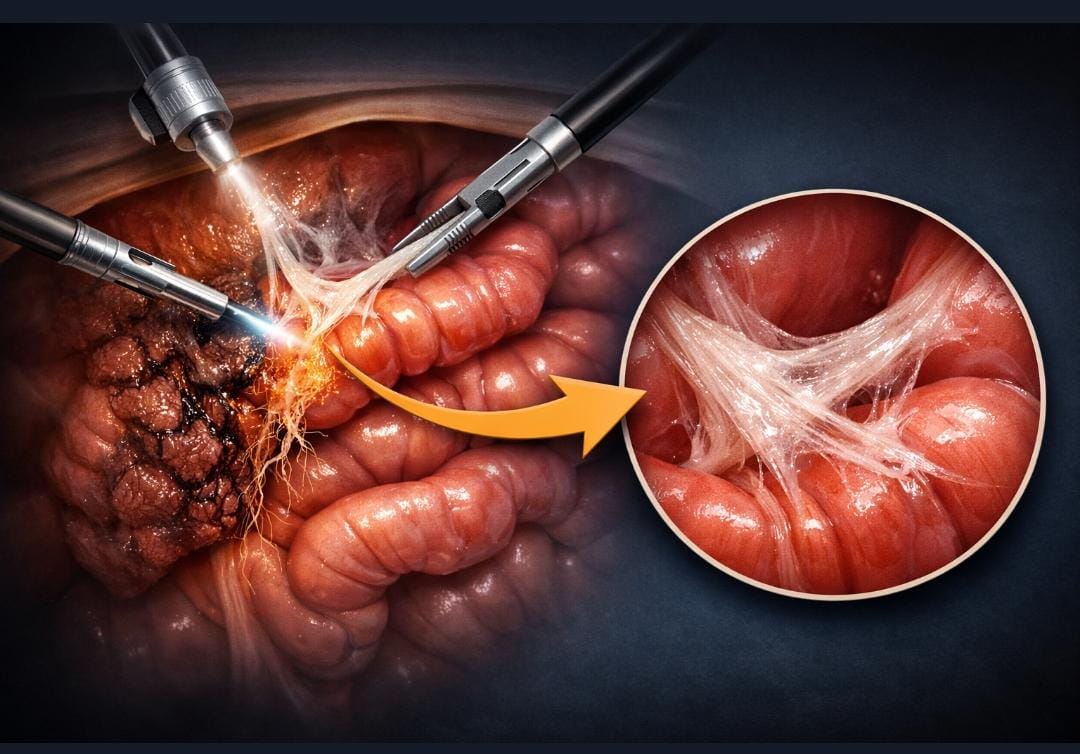
The Hidden Battle After Abdominal Surgery: Understanding Postoperative Peritoneal Adhesions
A trendy stress-relief supplement has been linked to a growing number of sudden, severe liver-damage cases.
Read article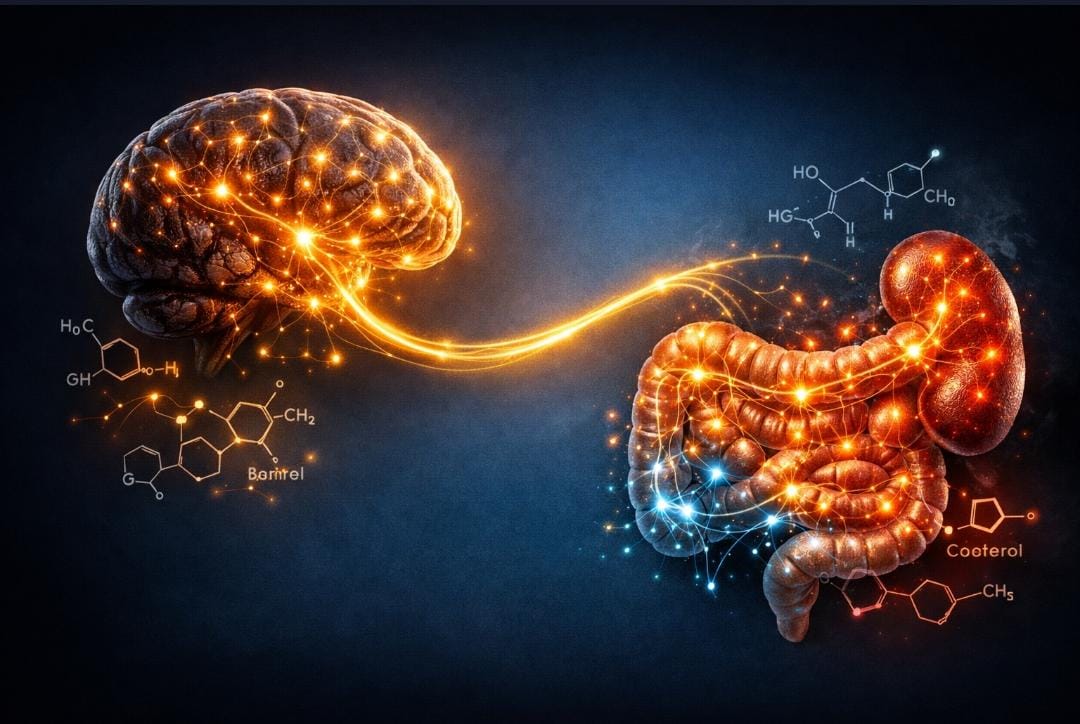
IBS is Not Merely a Psychological Disorder: Modern Science Rewrites the Story After Identifying Its Protagonist, "The Second Brain"
"All disease begins in the gut."
Read article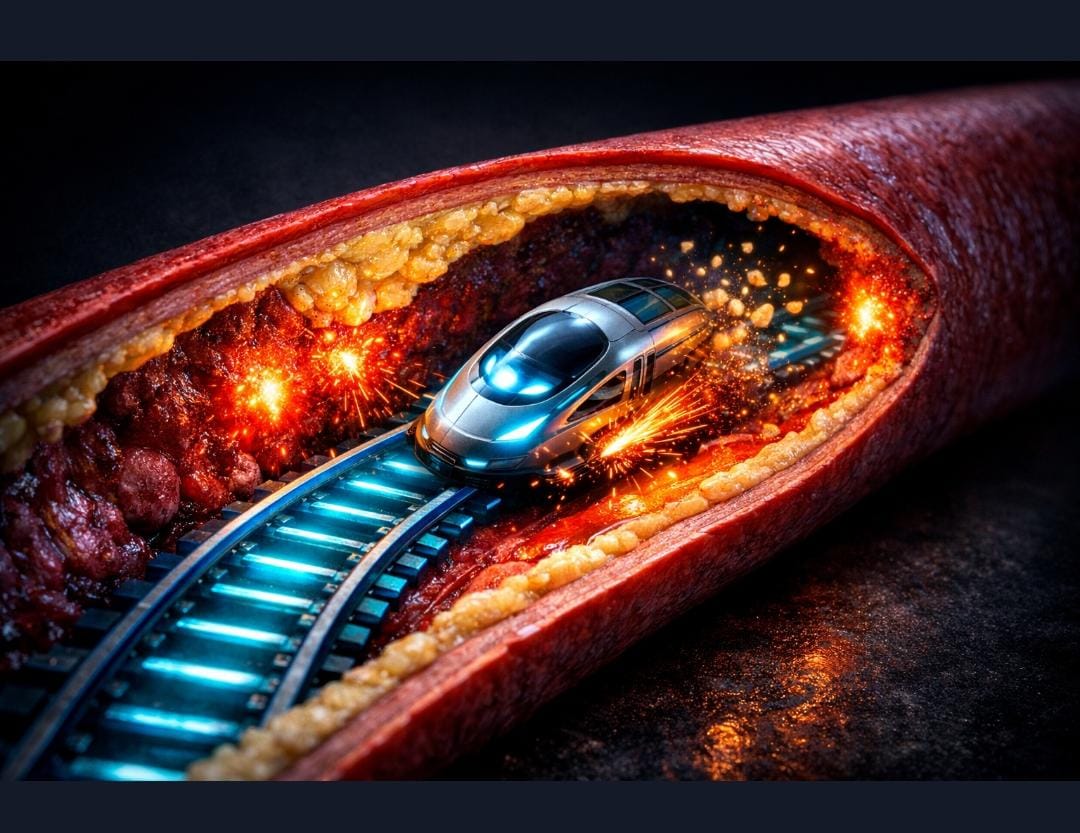
The Great Cholesterol Hoax and the Inflammation Time Bomb
The Great Cholesterol Hoax and the Inflammation Time Bomb
Read article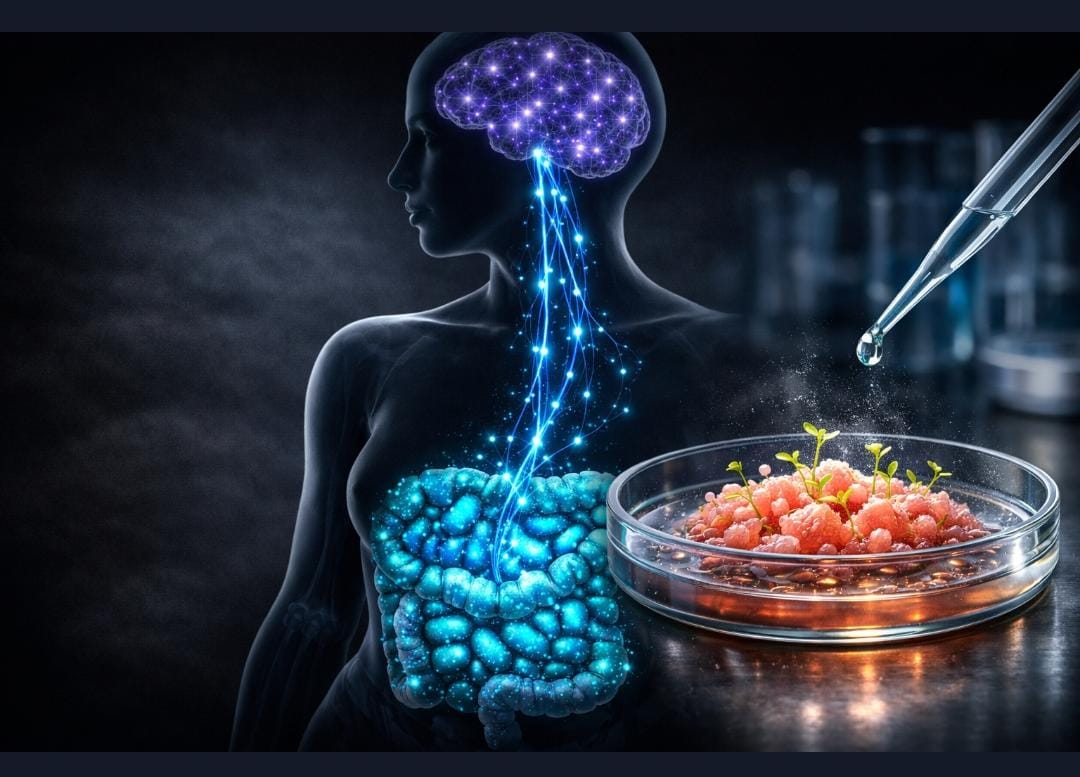
Fecal Microbiota Transplantation (FMT): Are We Just Transplanting Bacteria, or Something Far Greater?
Fecal Microbiota Transplantation (FMT): Are We Just Transplanting Bacteria, or Something Far Greater?
Read article