Latest in General Health
Evidence-based articles on everyday health, prevention, and wellbeing — reviewed for accuracy before publishing.
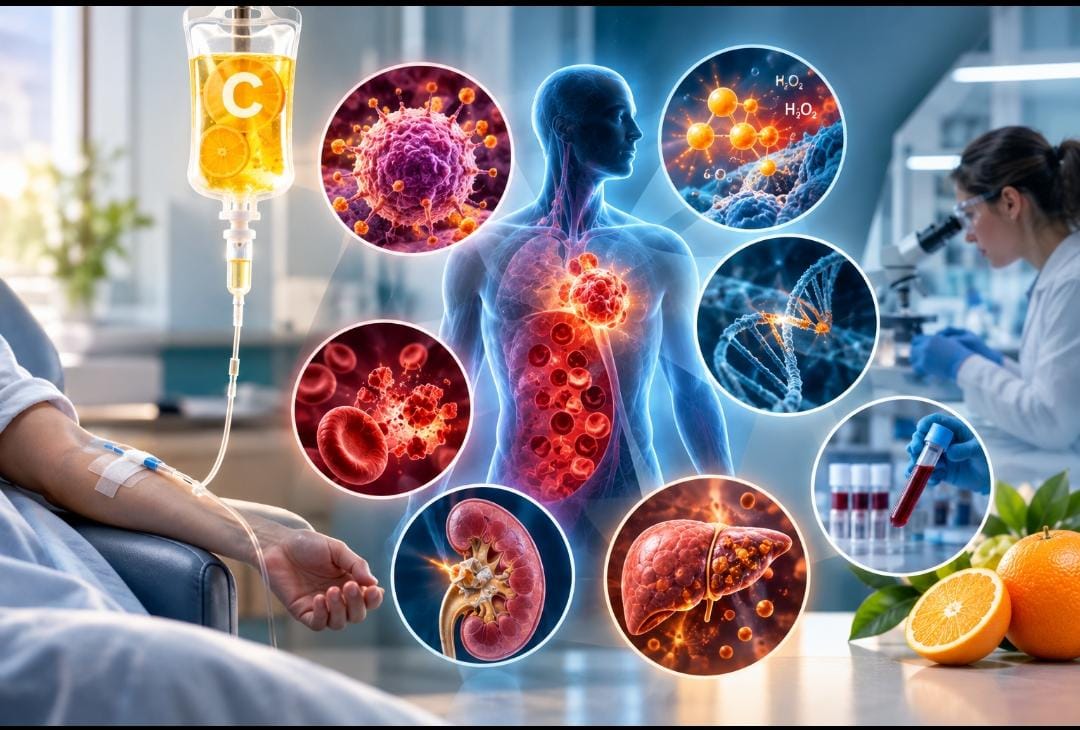
Vitamin C Is Not Just a Vitamin for Colds.. Can High-Dose Intravenous Vitamin C Help Treat Some Blood Cancers?
Vitamin C is widely known as a dietary nutrient, but high-dose intravenous vitamin C is being studied for its potential effects on cancer cells, including some blood cancers. What does the evidence say about its mechanisms, possible benefits, limitations, and safety?
Read article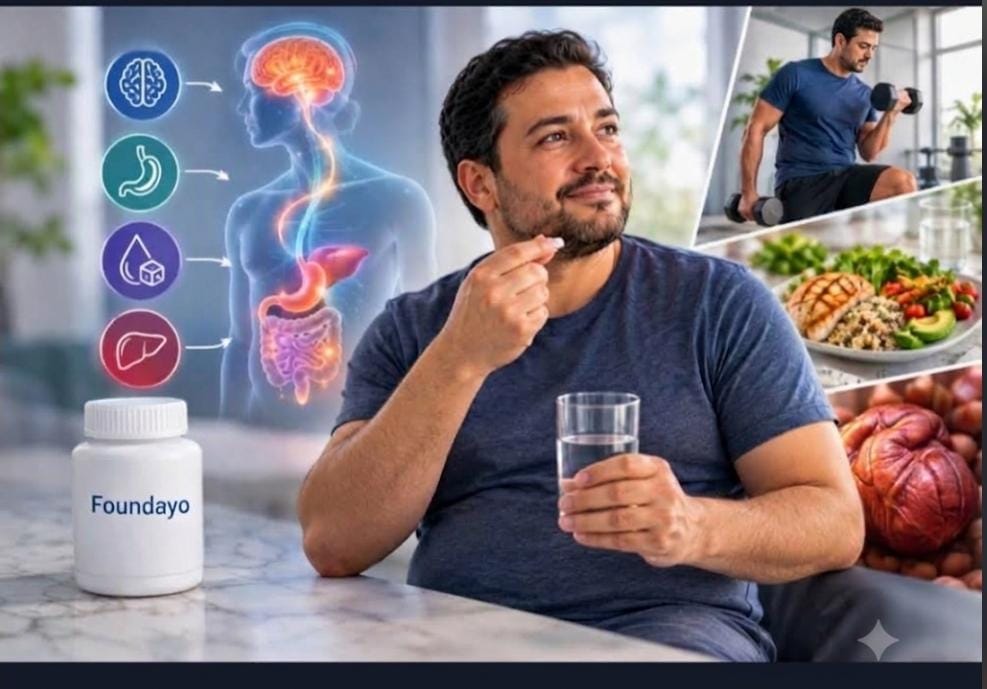
Foundayo.. The GLP-1 Pill Entering the Weight-Loss Race Through a New Door
Foundayo (orforglipron) is a once-daily oral GLP-1 receptor agonist approved by the FDA in April 2026 for adults with obesity or overweight with a weight-related medical condition. Unlike injectable GLP-1 therapies, it is available as a pill that can be taken at any time of day without food or water restrictions.
Read article
From Injections to Tablets… Good News for Patients with High Blood Cholesterol
Enlicitide, sold as Lipfendra, is the first oral PCSK9 inhibitor approved by the FDA to lower LDL cholesterol in adults with hypercholesterolemia. Learn how it works, why oral PCSK9 inhibition matters, how effective it is, how it compares with injectable PCSK9 therapies, and what its approval means for patients.
Read article
One Injection Could Change the “Cholesterol Gene”.. Has the Era of Once-Only Lipid Treatment Begun?
An experimental CRISPR-Cas9 treatment called CTX310 targets the ANGPTL3 gene in the liver and produced substantial reductions in LDL cholesterol and triglycerides after a single dose in an early human trial. Here is what the results mean—and why they do not yet make gene editing a replacement for statins.
Read article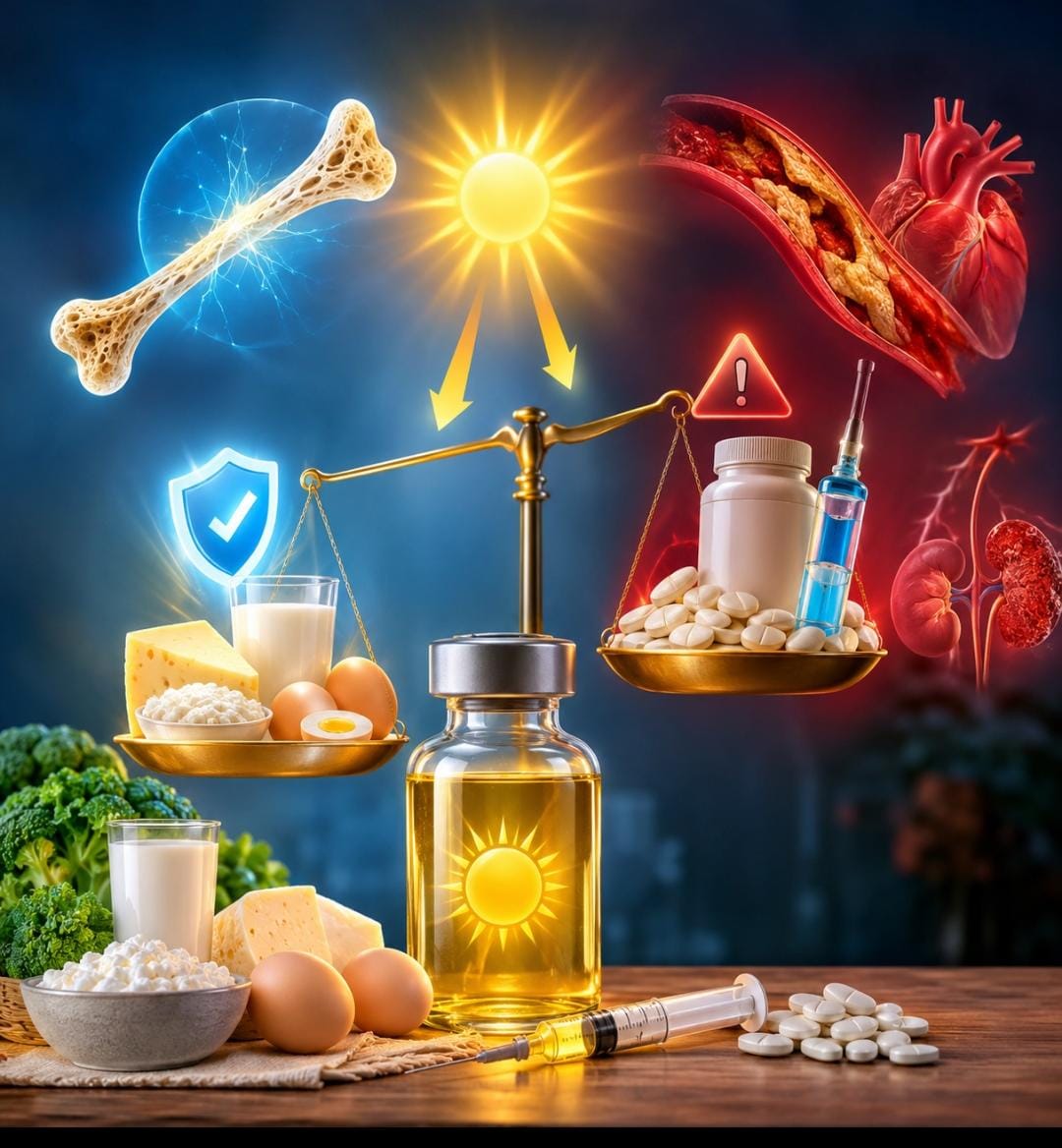
When Does a Dietary Supplement Become a Drug Dose? The Truth About the 600,000-IU Vitamin D Injection
A 600,000-IU Vitamin D injection is not an ordinary supplement or a general energy booster. Learn when high-dose Vitamin D may be used medically, how excessive intake can cause hypercalcemia, and why combining high doses with calcium supplements requires caution.
Read article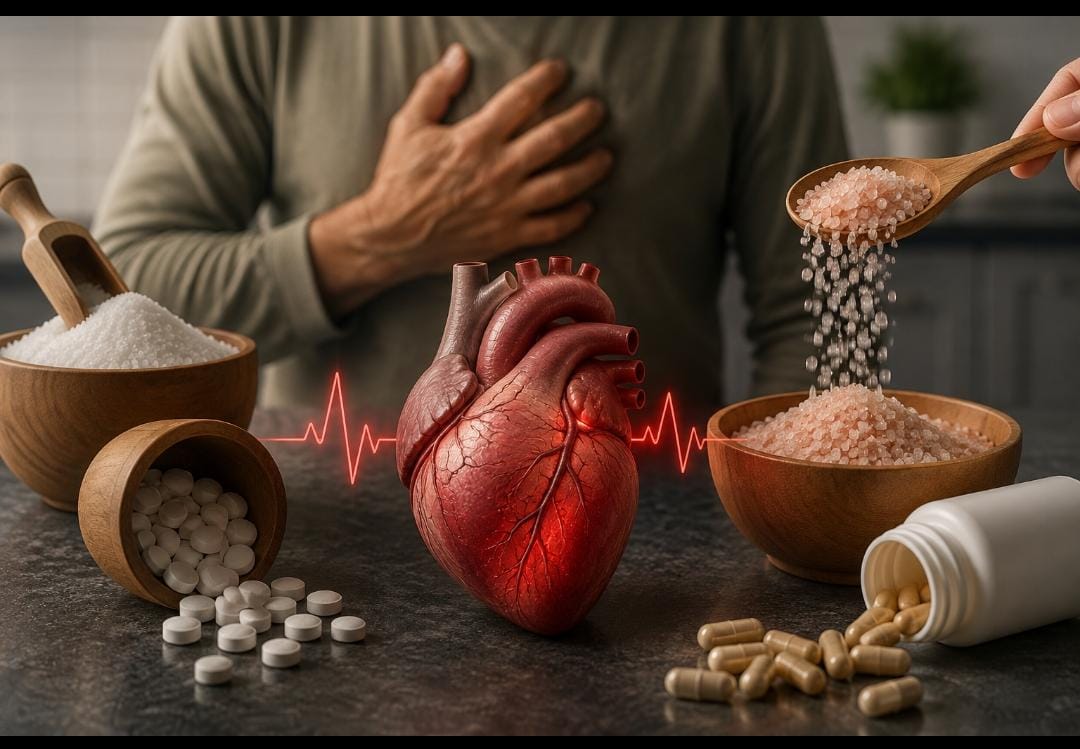
The Silent Killer in Your Kitchen: When Can Potassium Salt and Potassium Supplements Put Your Heart at Risk?
Potassium is essential for heart health, but potassium supplements and potassium-based salt substitutes can become dangerous for some people, particularly those taking certain blood-pressure medications or living with impaired kidney function. Understanding these interactions can help prevent potentially serious hyperkalemia.
Read article
The Invisible War Inside Your Gut : How Antibiotics Reshape the “Microbiome”
Antibiotics save millions of lives, but they can also alter the balance of the gut microbiome. Learn how these medications affect beneficial bacteria, how the microbiome recovers, and practical ways to support gut health during and after antibiotic treatment.
Read article