Latest in General Health
Evidence-based articles on everyday health, prevention, and wellbeing — reviewed for accuracy before publishing.
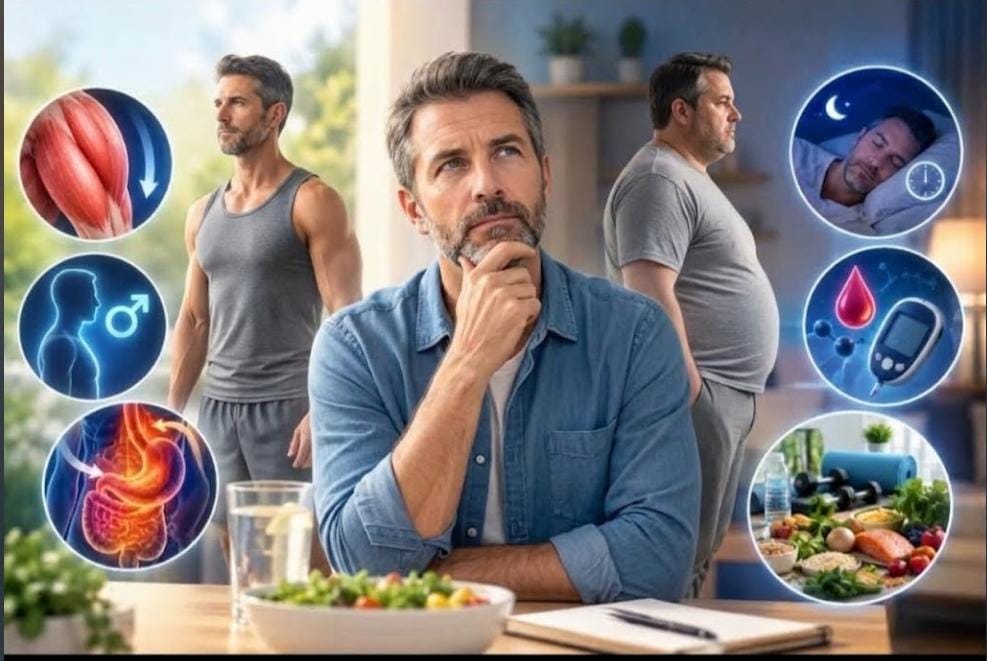
The Fifty-Year Mystery: Why Does Weight Increase After 50 Even Though You “Haven’t Added a Single Bite”?
Weight gain after 50 is not necessarily caused by eating more. Age-related muscle loss, changes in daily activity, hormones, fat distribution, sleep, and insulin sensitivity can gradually alter the body’s energy needs and promote abdominal fat accumulation.
Read article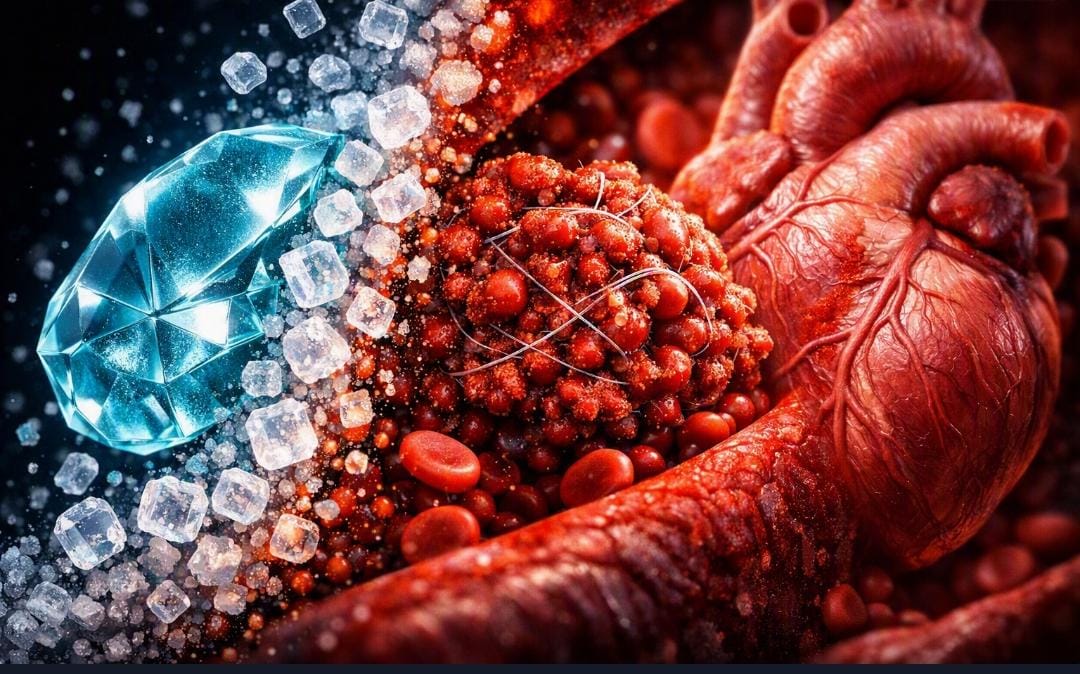
A Common Sugar Substitute That Threatens Heart and Blood Vessel Health..
Xylitol is widely used in sugar-free gum, candy, beverages, baked goods, and oral care products. Research has raised concerns about a possible association between higher blood xylitol levels, platelet activity, and cardiovascular events, but larger and longer-term studies are still needed to determine whether regular dietary xylitol consumption increases cardiovascular risk.
Read article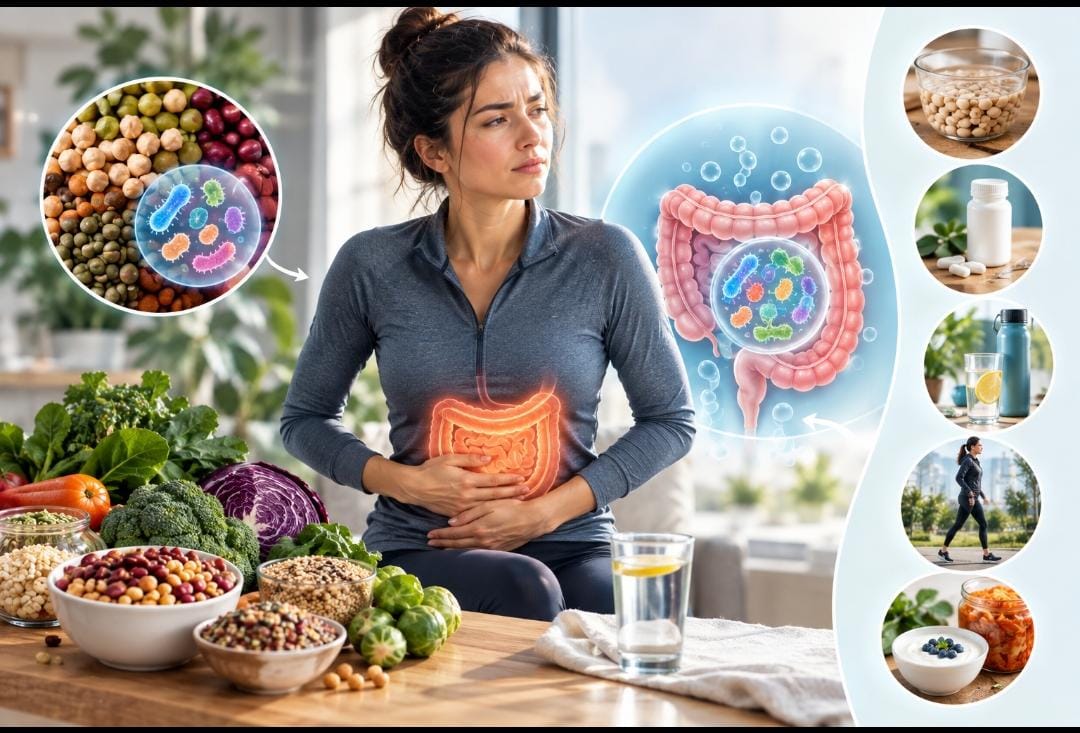
From Legumes and Vegetables to Fiber… Why Can Some Healthy Foods Cause Gas and Bloating? And How Can You Train Your Digestive System to Handle Them?
Legumes, vegetables, and whole grains are rich in fiber and important for digestive health, but they can cause gas and bloating in some people, especially when fiber intake increases suddenly. Understanding fermentation, FODMAPs, food preparation, and gradual dietary changes can help the digestive system adapt more comfortably.
Read article
Obesity in Girls and Its Impact on Their Future Chances of Having Children… A Large Study Reveals Secrets About the Future of Fertility?
A large Danish study involving more than 60,000 women found an association between childhood obesity and lower chances of having children later in life. The findings do not prove that childhood obesity causes infertility, but they highlight the importance of metabolic health during the growing years.
Read article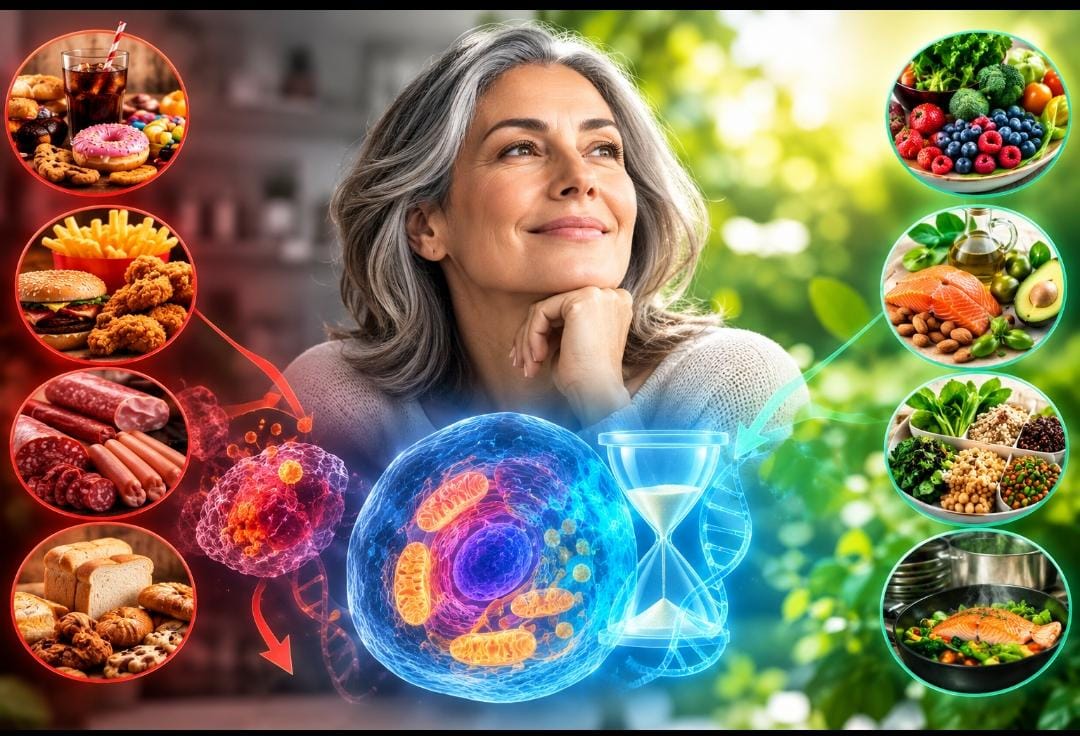
5 Dietary Choices That May Contribute to Accelerated Aging After 50
Aging is influenced by more than chronological age. Learn how excessive sugar, sugary drinks, trans fats, processed meats, and refined carbohydrates may contribute to metabolic stress and age-related damage, and which dietary habits can better support healthy aging after 50.
Read article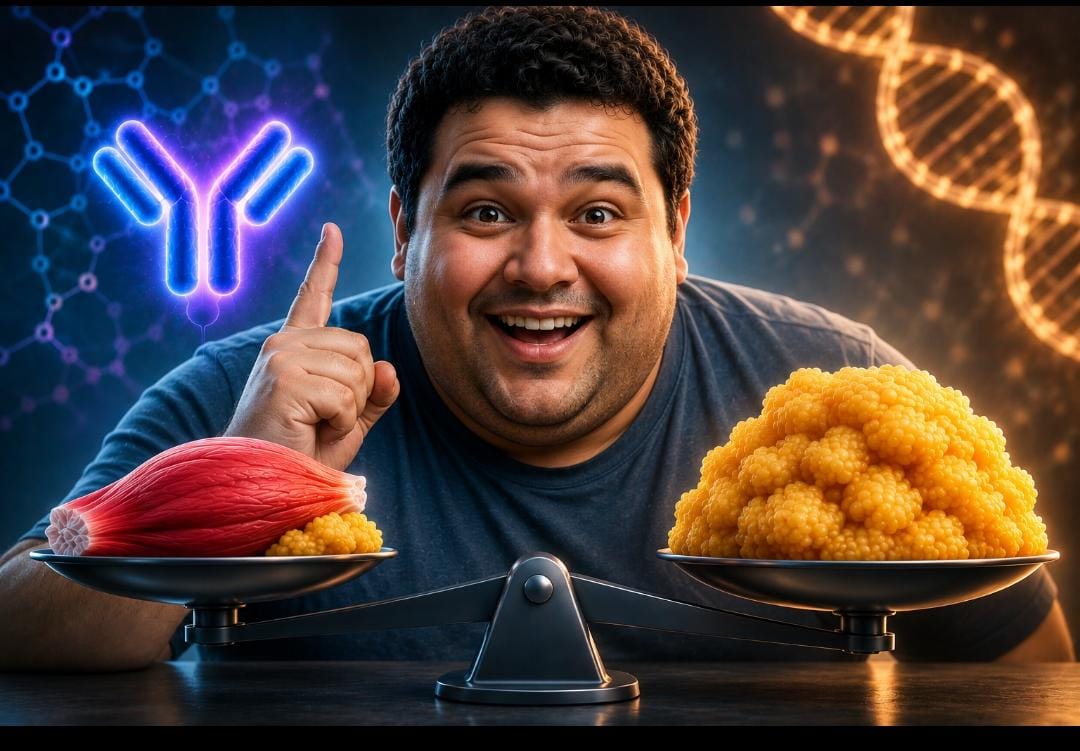
A New Drug (Bimagrumab) Opens a New Path in Obesity Treatment... Is It Possible to Lose Fat Without Losing Muscle?
Bimagrumab is an investigational antibody that targets Activin Type II receptors and may help reduce fat mass while preserving or increasing lean mass. Learn what the 2026 BELIEVE trial found, how Bimagrumab differs from semaglutide, its potential side effects, and why it is not yet an approved obesity treatment.
Read article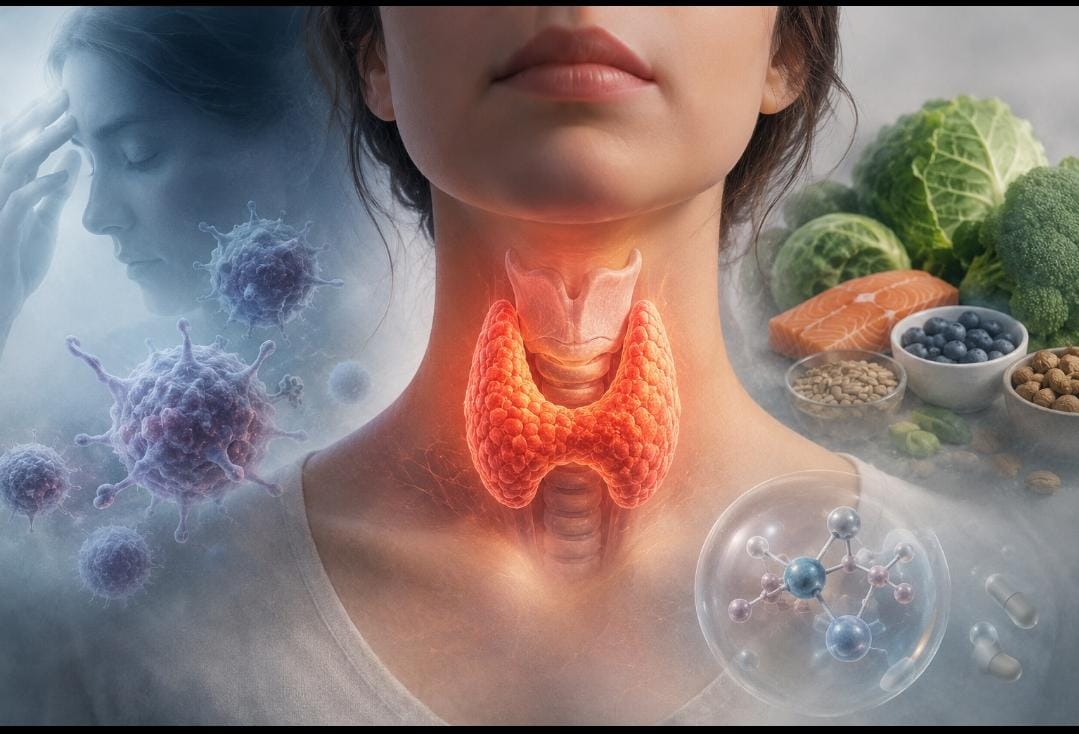
A Journey Inside the Thyroid Gland with Hashimoto’s Disease… From Immune Dysfunction to the Role of Nutrition
A high TSH does not usually mean an overactive thyroid. Learn how Hashimoto’s thyroiditis can lead to hypothyroidism, how to interpret TSH and FT4, what iodine, selenium, gluten, and cruciferous vegetables really mean for thyroid health, and how food can affect levothyroxine absorption.
Read article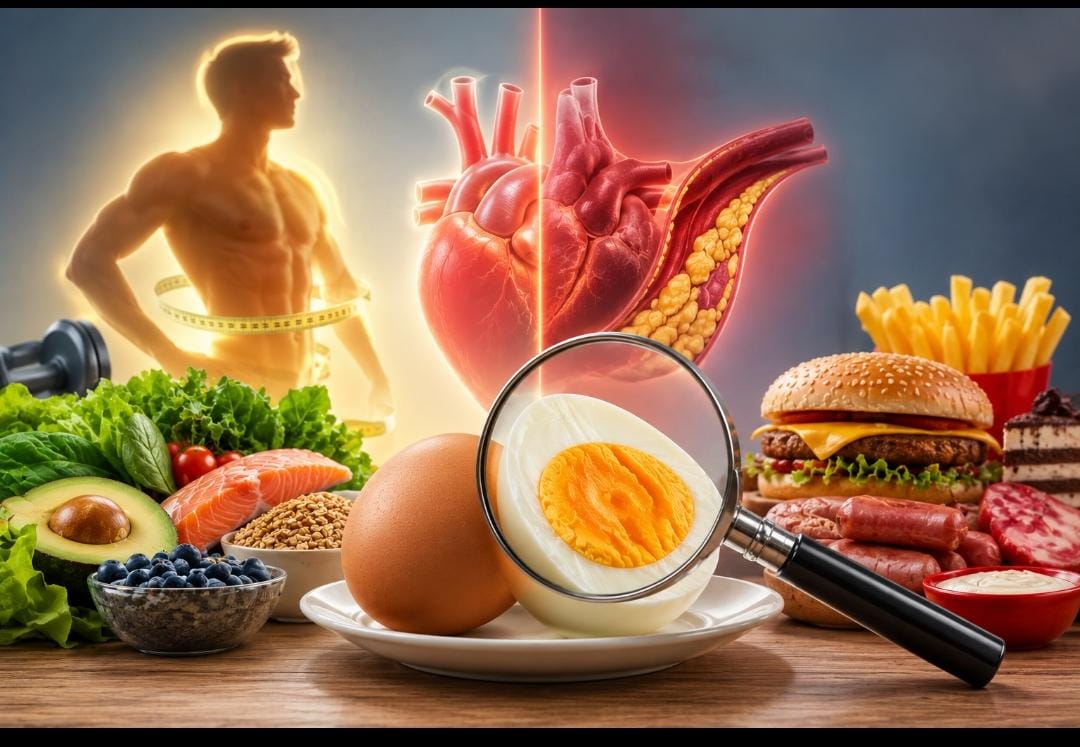
Eggs Under the Microscope.. Is It Truly an Ideal Food, or Does the “Daily Egg” Have Another Side?
Eggs are rich in high-quality protein, choline, vitamins, and minerals, but they also contain dietary cholesterol. Learn whether eggs actually help with weight loss, how daily egg consumption may affect LDL cholesterol and heart health, whether the boiled egg diet works, and how many eggs may fit into a healthy diet.
Read article
Eating “Healthy Food” but Not Losing Weight? .. Beware the Trap..
Eating healthy foods does not automatically guarantee weight loss. Learn how the Health Halo Effect can lead to overeating, why foods like honey, granola, nuts, juice, yogurt, and protein bars can still add significant calories, and why portion size matters for weight management.
Read article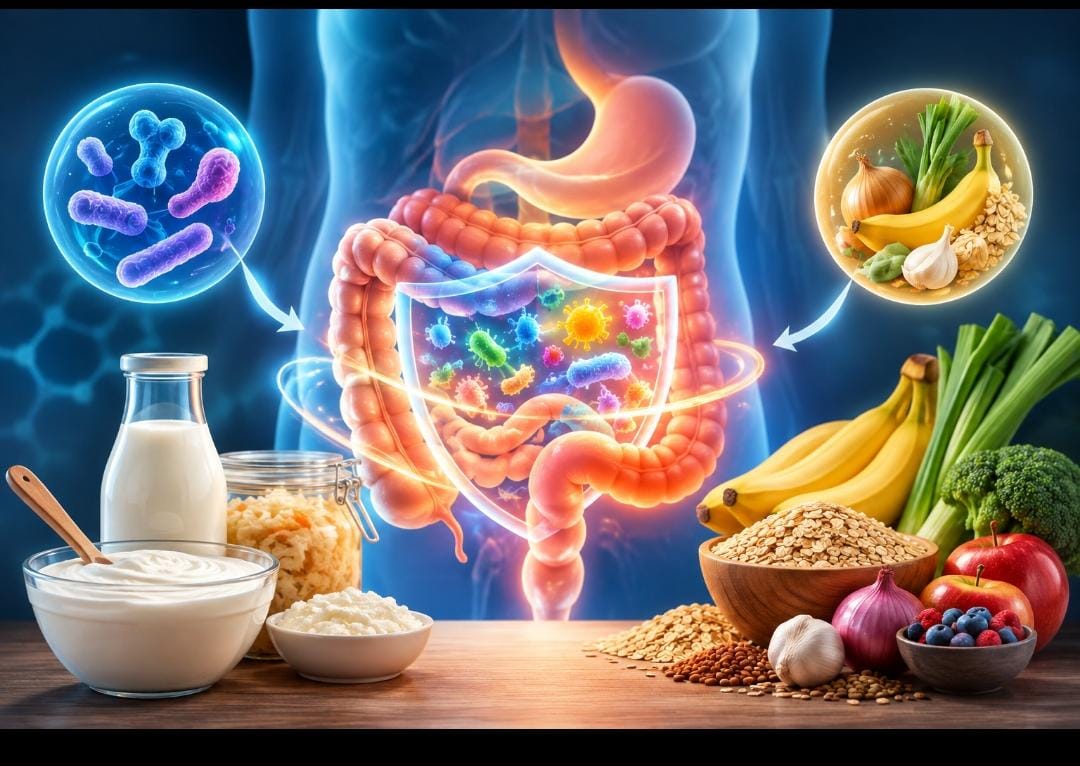
Probiotics and Prebiotics… Beneficial Bacteria or Their Food? How Does the Microbiome System Work Inside Your Gut?
Probiotics and prebiotics are often confused, but they are not the same. Learn the difference between probiotics and prebiotics, how gut microbes produce short-chain fatty acids, which foods support the microbiome, and why probiotic supplements should be chosen by strain rather than CFU count alone.
Read article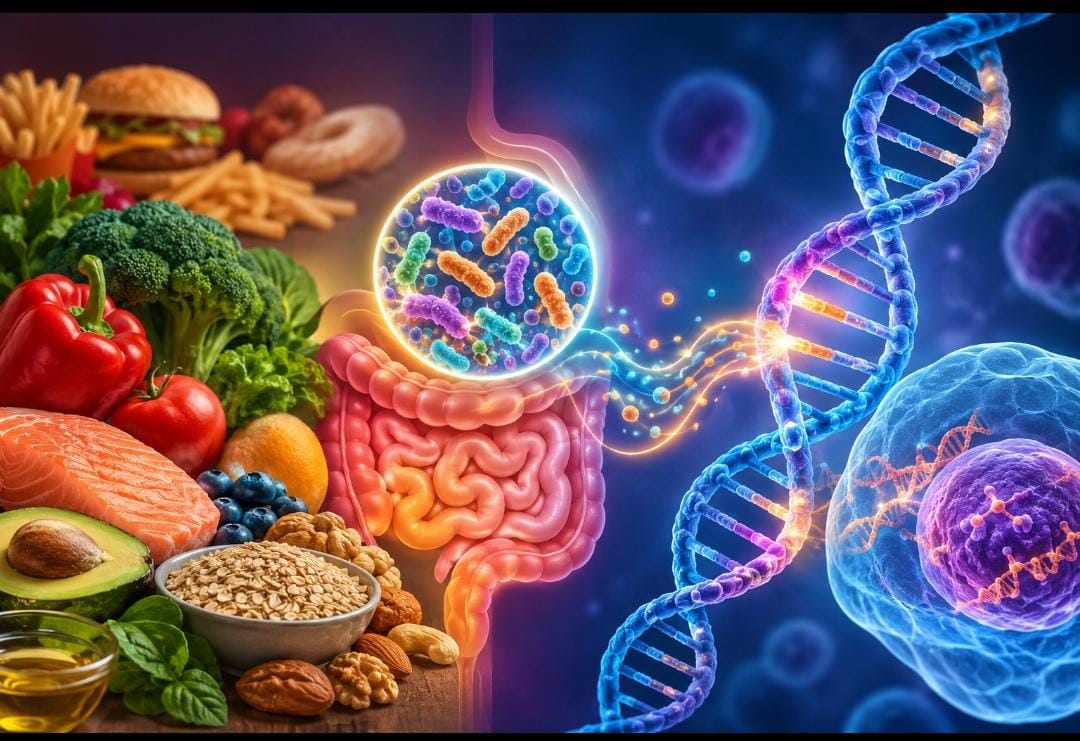
Nutrition Is Not Just Food and Drink… It Also Shapes How Your Genes Express Themselves: How Does Your Diet Influence Your Cellular Function ?
Food does more than provide calories and nutrients. Through nutrigenomics, epigenetics, and the gut microbiome, dietary patterns may influence cellular signaling and the expression of certain genes without changing the DNA sequence itself.
Read article
Artificial Food Colors in Children's Foods… Are They Just About Color?
Do artificial food colors affect children's behavior? Learn what scientific studies really say about food dyes, hyperactivity, ADHD, cancer concerns, Red No. 3, and why the overall quality of a child's diet may matter more than a single color.
Read article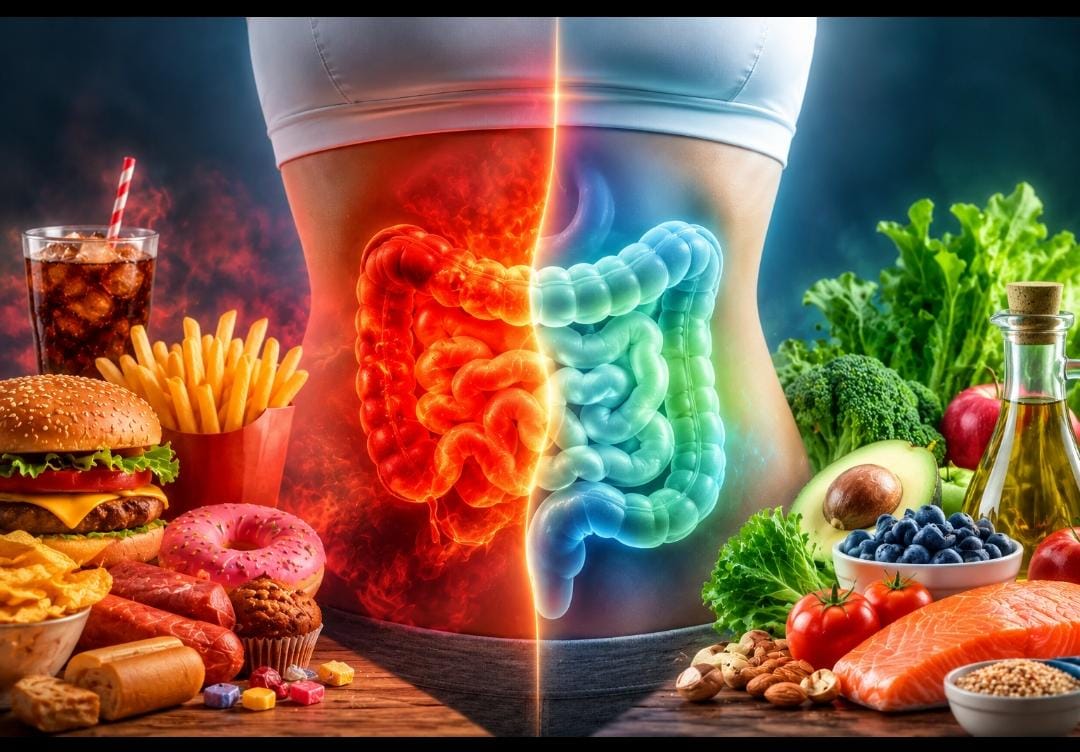
Everyday Foods That May Promote Inflammation Without You Realizing It…
No single food automatically causes inflammation, but a long-term dietary pattern high in added sugars, ultra-processed foods, trans fats, processed meats, and refined carbohydrates may contribute to an unhealthy inflammatory and metabolic environment.
Read article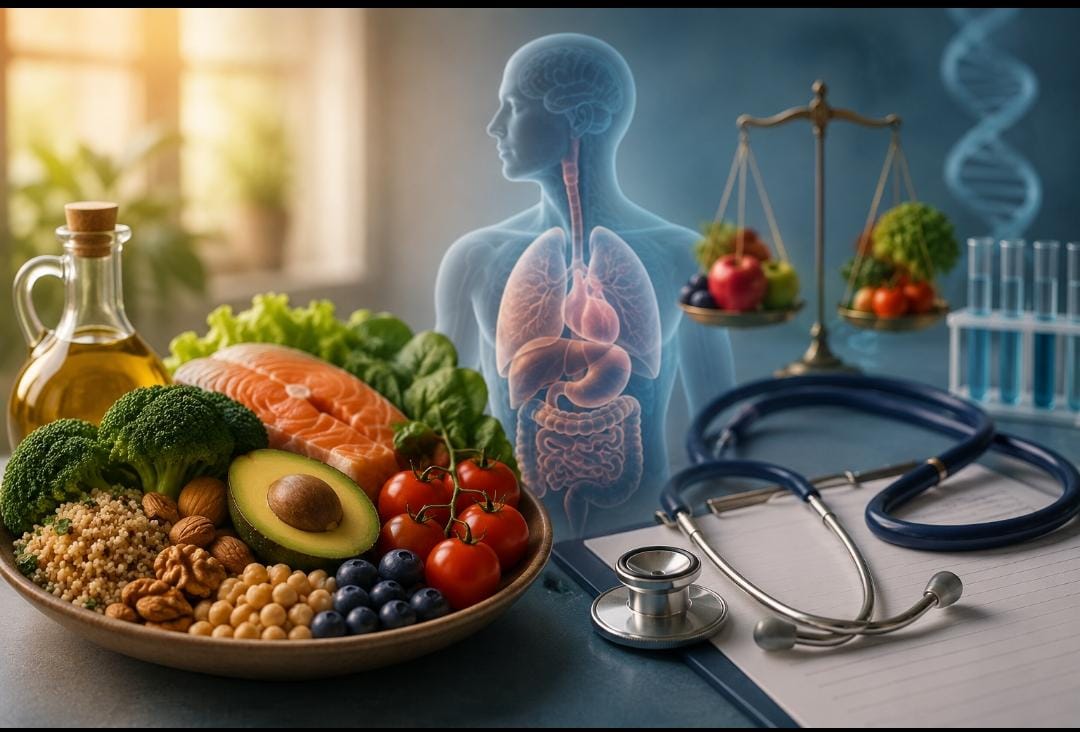
Medical Nutrition Therapy: How Can Food Become Part of Your Treatment?
Medical Nutrition Therapy is more than a weight-loss diet. It is an evidence-based approach that uses individualized nutrition plans to support disease management, improve health outcomes, and become an essential part of long-term treatment and prevention.
Read article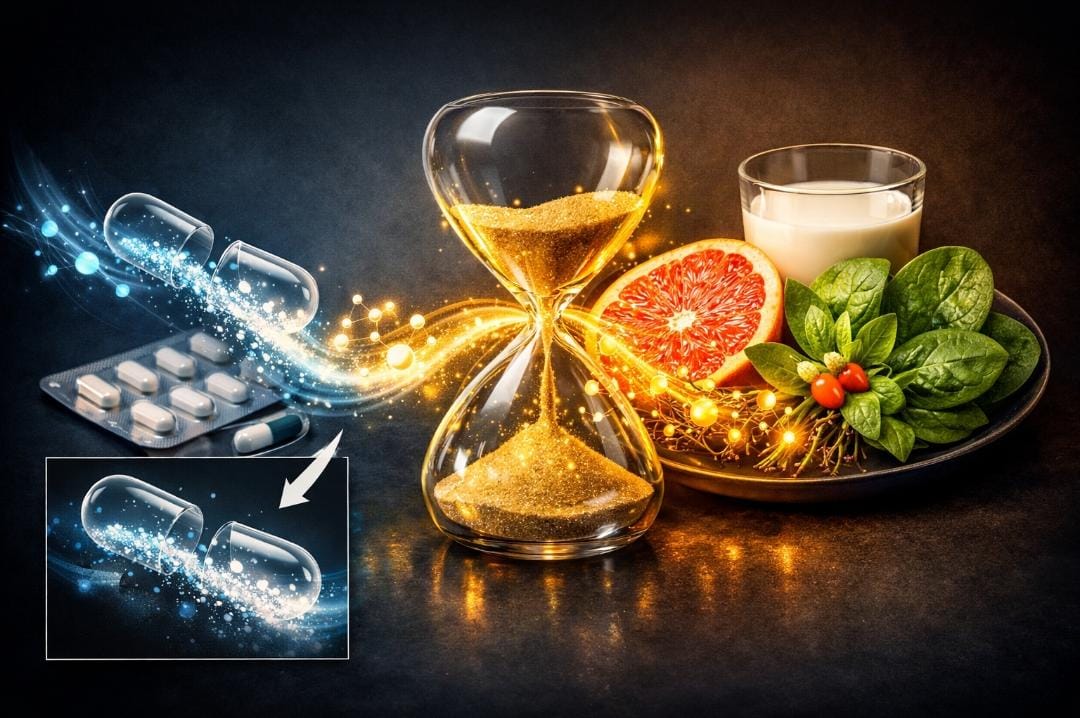
Is Your Medication Not Working? Beware... Your Meal Might Be the Reason
Food can influence how your body absorbs and processes medications. Certain foods and drinks may reduce a drug's effectiveness or increase its side effects, making proper timing and administration an essential part of successful treatment.
Read article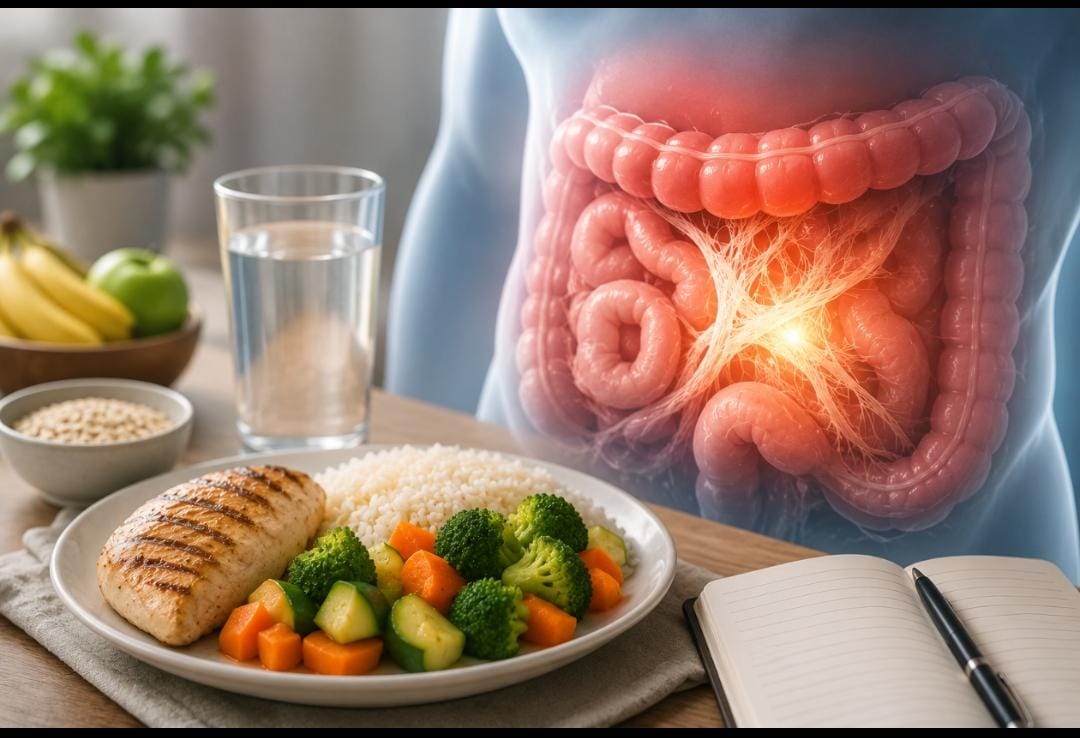
The Hidden Battle After Abdominal Surgery: Understanding Postoperative Peritoneal Adhesions
A trendy stress-relief supplement has been linked to a growing number of sudden, severe liver-damage cases.
Read article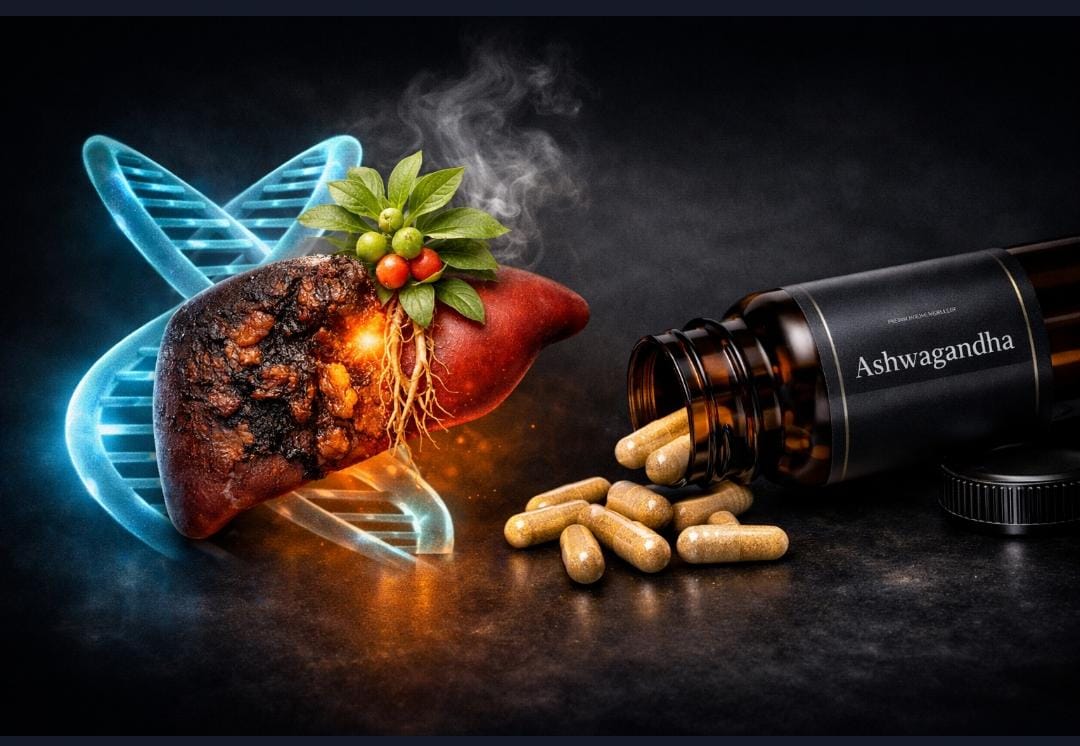
Beware of Ashwagandha: The Famous Herb Could Turn into a Deadly Toxin for Liver Cells!
A trendy stress-relief supplement has been linked to a growing number of sudden, severe liver-damage cases.
Read article