Bariatric Surgeries : Sleeve, Balloon, or Gastric Bypass .. Which Option Is Right for You ?

Written by Prof. Dr. Mohamed Henaish
Professor and Consultant of General Surgery | Laparoscopy | Bariatric | Cosmetic and Oncologic Surgery
Information reviewed by HealthNato Scientific Team
on August 3, 2026 at 10:30 AM
Key points
- The gastric balloon is a less invasive, temporary option that works best when combined with long-term lifestyle and dietary changes.
- Sleeve gastrectomy reduces stomach size and affects appetite-regulating hormones, but it is irreversible and may not be suitable for patients with severe acid reflux.
- Gastric bypass combines stomach reduction with intestinal rerouting, providing significant weight loss and improved type 2 diabetes control, but requires lifelong nutritional follow-up and supplementation.
- There is no single bariatric procedure that is best for everyone; the ideal choice depends on BMI, obesity-related conditions, eating habits, and a comprehensive medical evaluation.
Obesity treatments are no longer viewed simply as a way to achieve a lower body weight or a different appearance. For the right patients, modern obesity interventions can also help improve obesity-related conditions such as type 2 diabetes, high blood pressure, sleep apnea, and fatty liver disease.
But with several options available—including the gastric balloon, sleeve gastrectomy, and gastric bypass—how do they differ? And is there one procedure that is best for everyone?
The simple answer is: there is no single procedure that is right for everyone. The best choice depends on each person's health status, degree of obesity, associated medical conditions, eating patterns, the presence or absence of acid reflux, and a thorough evaluation by the medical team.
First: The Gastric Balloon... Less Invasive, but Temporary
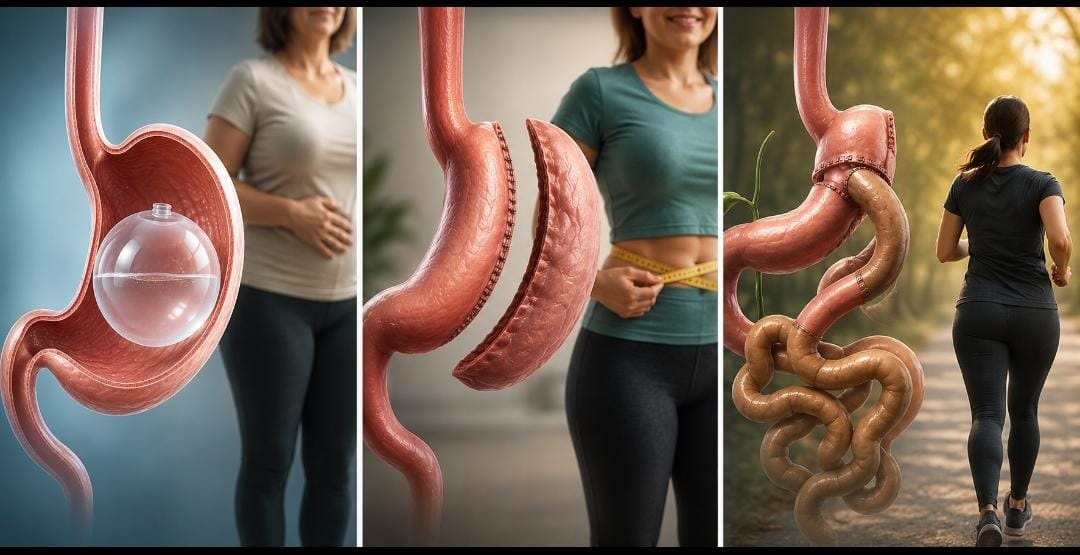
The gastric balloon is a non-surgical procedure typically performed endoscopically, although certain types of balloons can be swallowed, depending on the specific technology used. The balloon is placed inside the stomach, occupying part of its volume and helping the patient feel full after eating smaller amounts.
It may be an appropriate option for some people with overweight or obesity, or for those who need to lose part of their excess weight before undergoing surgery, depending on the physician's assessment.
One of its main advantages is that it is less invasive than bariatric surgery and does not permanently alter the anatomy of the digestive system.
However, its effects are temporary, and some patients may regain part of the lost weight after the balloon is removed if the procedure is not accompanied by sustainable changes in diet and physical activity. Symptoms such as nausea, vomiting, and stomach discomfort may also occur, particularly during the initial period.
The bottom line: The gastric balloon can be a useful tool for selected patients, but it is not a permanent solution on its own.
Second: Sleeve Gastrectomy... Smaller Stomach, Different Appetite
During sleeve gastrectomy, a large portion of the stomach is surgically removed, leaving a relatively narrow, tube-shaped stomach. This reduces the amount of food that can be consumed in a single meal.
The effects of sleeve surgery are not limited to reducing stomach size. Removing part of the stomach also leads to hormonal and metabolic changes, including a reduction in ghrelin, one of the hormones involved in appetite regulation.
One of the major advantages of sleeve gastrectomy is that it can produce significant weight loss in many patients while preserving the natural pathway of the intestines and avoiding intestinal bypass.
However, the procedure is irreversible and may cause or worsen acid reflux in some patients.
For this reason, severe gastroesophageal reflux disease (GERD) may make sleeve gastrectomy an unsuitable option for certain individuals, making careful preoperative evaluation essential.
Third: Gastric Bypass... When the Goal Goes Beyond Reducing Stomach Size
Gastric bypass procedures, such as Roux-en-Y Gastric Bypass, combine the creation of a smaller stomach pouch with a change in the route through which food passes through part of the small intestine. This produces important effects on appetite, metabolic hormones, and blood glucose regulation.
There is also One-Anastomosis Gastric Bypass (OAGB), a technically different procedure from the traditional Roux-en-Y approach, with its own potential benefits and risks.
Gastric bypass may be an appropriate option for some patients with severe obesity, type 2 diabetes, significant acid reflux, or in certain cases where a previous bariatric procedure has not produced the desired outcome. However, the decision should always be based on an individualized medical assessment.
One of its major advantages is its ability to achieve substantial weight loss, along with a powerful effect on improving blood glucose control in many patients with type 2 diabetes. Some patients may even achieve diabetes remission.
However, gastric bypass requires long-term nutritional and medical follow-up, along with lifelong adherence to recommended nutritional supplements and regular laboratory monitoring, as the risk of certain vitamin and mineral deficiencies is higher compared with sleeve gastrectomy.
So... Which One Is Better?
The truth every patient should understand is that there is no single procedure that is best for everyone.
A gastric balloon may be suitable for someone looking for a less invasive and temporary intervention. Sleeve gastrectomy may be an appropriate choice for someone who needs substantial weight loss without altering the intestinal pathway.
Gastric bypass, meanwhile, may be more suitable for certain patients with severe obesity, type 2 diabetes, or significant acid reflux, depending on their individual medical assessment.
But the decision is not based on body weight alone.
Doctors consider the body mass index (BMI), existing medical conditions, diabetes severity, the presence and severity of acid reflux, medical and surgical history, eating patterns, current medications, and the patient's ability to commit to long-term follow-up, nutritional care, and supplementation after the procedure.
Therefore, the right question is not:
"What is the best surgery for weight loss?"
It is:
"Which procedure is most appropriate for my health condition and my long-term goals?"
HealthNato Medical Takeaway
Bariatric surgery is not a magic wand, and success does not end when you leave the operating room.
These are medical tools that can produce significant results when used in the right patient, combined with continuous medical and nutritional follow-up and meaningful, long-term lifestyle changes.
The procedure may be the beginning of the journey... but maintaining the results is the part that lasts a lifetime.
Written by Prof. Dr. Mohamed Henaish
Professor and Consultant of General Surgery | Laparoscopy | Bariatric | Cosmetic and Oncologic Surgery
Information reviewed by HealthNato Scientific Team
on August 3, 2026 at 10:30 AM
Related articles
 General Health
The Hidden Battle After Abdominal Surgery: Understanding Postoperative Peritoneal Adhesions
 General Health
The Revolution in New Obesity Medications vs. Bariatric Surgery... Has the Era of the Scalpel Come to an End?
 General Health
7 Simple Habits That Could be Time Bombs in Your Daily Life !
 General Health