Fecal Microbiota Transplantation (FMT): Are We Just Transplanting Bacteria, or Something Far Greater?
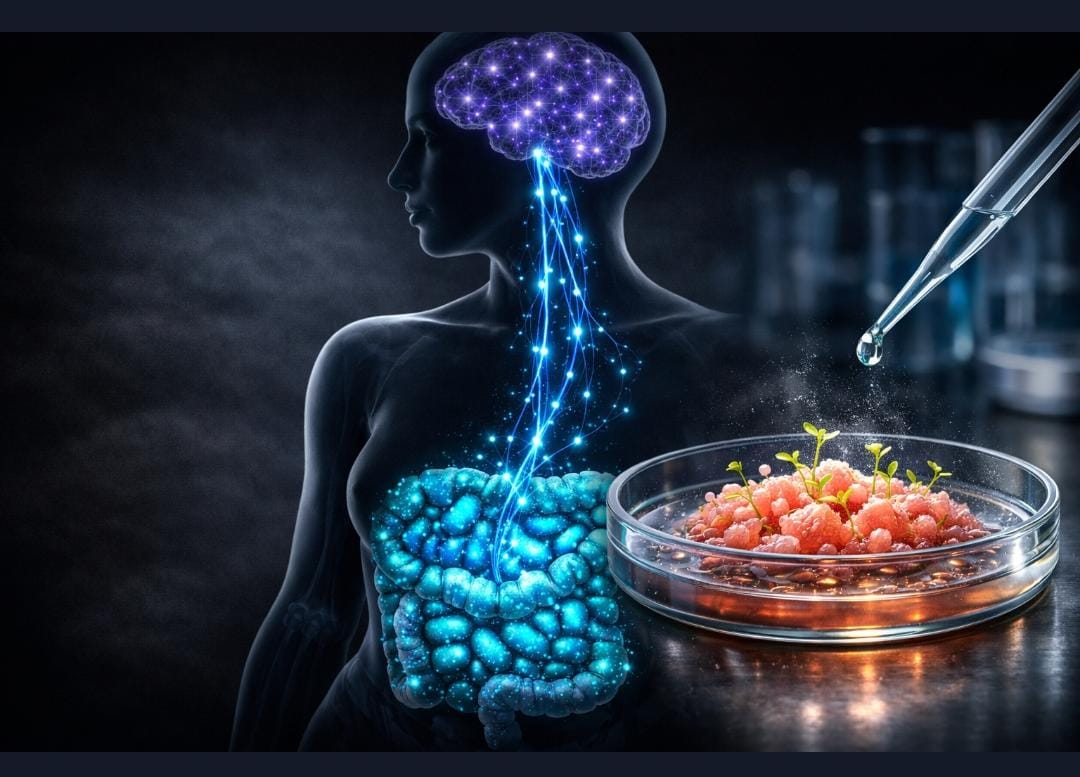

Written by Prof. Dr. Mohamed Henaish
Professor and Consultant of General Surgery | Laparoscopy | Bariatric | Cosmetic and Oncologic Surgery
Fact-checked by HealthNato Scientific Team
on July 7, 2026 at 12:00 AM
Key Points
- Fecal microbiota transplantation (FMT) is an evidence-based treatment that restores healthy gut bacteria in patients with recurrent, treatment-resistant intestinal infections.
- The transplanted microbiome carries complex microbial functions that may influence metabolism, immune regulation, and communication along the gut-brain axis.
- Careful donor screening now extends beyond infectious diseases to include broader health factors that may affect treatment outcomes.
- Long-term success of FMT depends on appropriate medical follow-up and a diet that supports the stability and diversity of beneficial gut microorganisms.
What if your doctor told you that the cure for your intractable disease lies in bacteria harvested from someone else's gut? At first glance, the concept sounds repulsive. Yet, in operating rooms, internal medicine practices, and general surgery clinics, Fecal Microbiota Transplantation (FMT) has transformed into a definitive lifeline, saving the lives of patients suffering from certain deadly bacterial infections. This live microbial ecosystem is transferred either via advanced gelatin capsules or through endoscopic tubes to be re-colonized within the patient's colon. However, the shocking reality uncovered by evidence-based medicine (EBM) is that we are no longer just transferring transient bacteria from one person to another to simply cleanse the gut or help a patient overcome a stubborn infection. Instead, we are transferring entire genetic codes and a vital communication network capable of completely reprogramming the patient’s biological and psychological identity. Right here, the "microbiome" bombshell explodes to reveal its intimidating clinical face. Documented medical research has monitored cases where patients received samples from obese donors, only to transform shortly after into individuals with morbid obesity, despite making no changes to their dietary habits. This is where the astonishment lies: the transplanted bacteria carried voracious metabolic genetic codes designed to extract calories and store fat via mechanisms that bypassed the patient's ability to control. Even more critical is the impact on the Gut-Brain Axis. A microbiome transplanted from a donor suffering from depression or anxiety carries neuroactive compounds that redirect neurotransmitters in the recipient's brain. Consequently, depression turns into a physiologically contagious disease for the first time via the gut, shattering the old hypothesis that the intestine is merely a digestive tube, a newly discovered medical marvel that has now become an established fact. This complex biological interconnectedness places the clinical nutritionist, the internist, and the general surgeon before a new clinical responsibility that transcends conventional protocols. The surgeon performing the endoscopy and the internist prescribing the capsule both stand amazed by the reality that "donor screening" is no longer restricted to testing for infectious diseases and viruses; it now demands an investigation into their genetics, psychological history, and dietary behavior. This is where the critical role of precision clinical nutrition comes into play to re-engineer these transplanted bacteria and protect them from mutations. This vital mechanism relies entirely on the quality of food and micronutrients the patient receives post-procedure. Diet acts either as a fuel that ensures the success of this "biological transplant" or as a typographical error that eradicates beneficial bacteria and paves the way for the transmission of disease codes..
Written by Prof. Dr. Mohamed Henaish
Professor and Consultant of General Surgery | Laparoscopy | Bariatric | Cosmetic and Oncologic Surgery
Fact-checked by HealthNato Scientific Team
on July 7, 2026 at 12:00 AM
Get new articles in your inbox
One short email a week, no spam.
Your privacy is important to us.
Related Articles
 General Health
The Hidden Battle After Abdominal Surgery: Understanding Postoperative Peritoneal Adhesions
 General Health
The Revolution in New Obesity Medications vs. Bariatric Surgery... Has the Era of the Scalpel Come to an End?
 General Health
7 Simple Habits That Could be Time Bombs in Your Daily Life !
 General Health