Can Ketamine Help Reduce the Risk of Postpartum Depression?

Written by Dr. Saeed Attia
Scientific Development Team at HealthNato | Pharmacist | Pharmacology & Supplements Specialist
Information reviewed by HealthNato Scientific Team
on October 19, 2026 at 12:30 PM
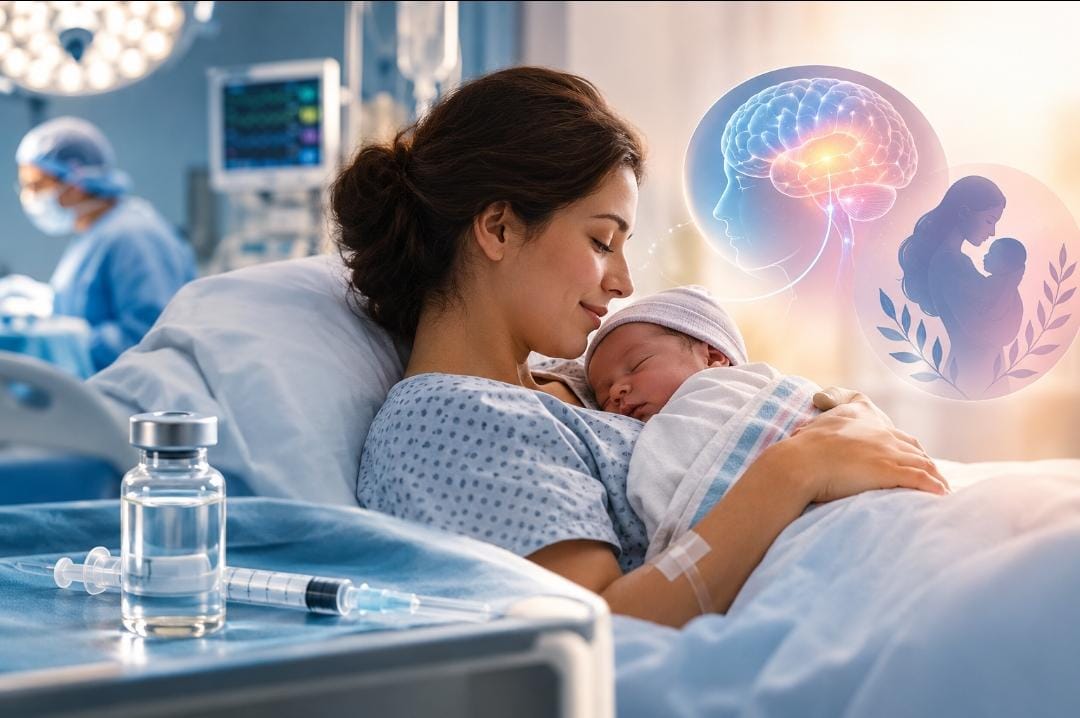
In an effort to understand how this problem might be reduced, researchers are exploring whether medications already used during surgery, including anesthetic and pain-relieving agents such as ketamine and esketamine, may also benefit maternal mental health in the postpartum period and help reduce depressive symptoms. What does the scientific evidence tell us so far?
Postpartum Depression Is More Than Mood Swings
Many mothers experience emotional changes after childbirth, including crying, irritability, and anxiety during the first few days. These feelings often improve within a short period.
Postpartum depression, however, differs from these temporary mood changes. It may involve persistent sadness, loss of interest, feelings of guilt or inadequacy, and difficulty carrying out daily activities or bonding with the baby.
Several factors may contribute to its development, including hormonal changes, sleep disturbances, psychological stress, and a previous history of depression. The condition can affect both the mother's health and her relationship with her baby, making early recognition and appropriate treatment essential.
Why Is Ketamine Attracting Researchers' Attention?
Ketamine has been used for years in anesthesia and pain management, but it has attracted growing interest in psychiatry because of its ability to relieve depressive symptoms rapidly in some patients.
Esketamine, meanwhile, is one form of ketamine and has specific medical uses in treating certain cases of depression under specialist supervision.
Ketamine differs from many conventional antidepressants in its effects on glutamate receptors, influencing neural signaling pathways and communication between nerve cells.
Research suggests that these effects may contribute to a faster antidepressant response in some patients. This has prompted researchers to investigate whether administering ketamine or esketamine during or immediately after a cesarean delivery could reduce depressive symptoms in the days that follow.
What Have Recent Studies Revealed?
In a meta-analysis published in 2026 in Cureus, researchers pooled results from six randomized controlled trials involving 1,832 women who underwent planned cesarean deliveries.
The analysis compared women who received ketamine or esketamine during the perioperative period with those who received neither drug, assessing depressive symptoms between the third and fourteenth days after surgery.
The results showed a statistically significant reduction in depressive symptom scores among women who received treatment compared with those who did not.
These findings suggest that administering either drug around the time of surgery may help reduce early depressive symptoms in some women following cesarean delivery.
However, one important point must be considered: the analysis focused on a relatively short period after surgery. Its findings alone are insufficient to determine how long the benefits last or whether the drugs reduce the actual incidence of postpartum depression over the longer term.
Has Ketamine Become a Preventive Treatment for Postpartum Depression?
Despite the encouraging findings, several questions remain unanswered, including the optimal dose, the best timing of administration, differences in individual responses, and whether the benefits persist beyond the first few weeks.
Ketamine and esketamine can also cause side effects, including dizziness, nausea, changes in perception, or feelings of detachment from reality, as well as potential changes in blood pressure.
For these reasons, they should not be regarded as simple preventive medications for depression, and current evidence does not justify their routine use for this purpose.
It is also important to distinguish between administering a drug during surgery to investigate its potential effects on mood afterward and using it to treat depression after a diagnosis has been established. Each approach has a different objective and requires a separate medical assessment.
The Bottom Line: A Promising Research Opportunity, Not Yet an Established Treatment
Research into ketamine and esketamine is opening a new avenue for investigating ways to reduce early depressive symptoms following cesarean delivery, using medications already employed in surgical care.
However, current findings are not sufficient to establish that either drug reliably prevents postpartum depression. Larger studies, longer follow-up periods, and careful assessments of efficacy and safety are still needed.
Written by Dr. Saeed Attia
Scientific Development Team at HealthNato | Pharmacist | Pharmacology & Supplements Specialist
Information reviewed by HealthNato Scientific Team
on October 19, 2026 at 12:30 PM
Related articles
 Pharmaceuticals
The Invisible War Inside Your Gut : How Antibiotics Reshape the “Microbiome”
 Pharmaceuticals
The Silent Killer in Your Kitchen: When Can Potassium Salt and Potassium Supplements Put Your Heart at Risk?
 Pharmaceuticals
When Does a Dietary Supplement Become a Drug Dose? The Truth About the 600,000-IU Vitamin D Injection
 Pharmaceuticals