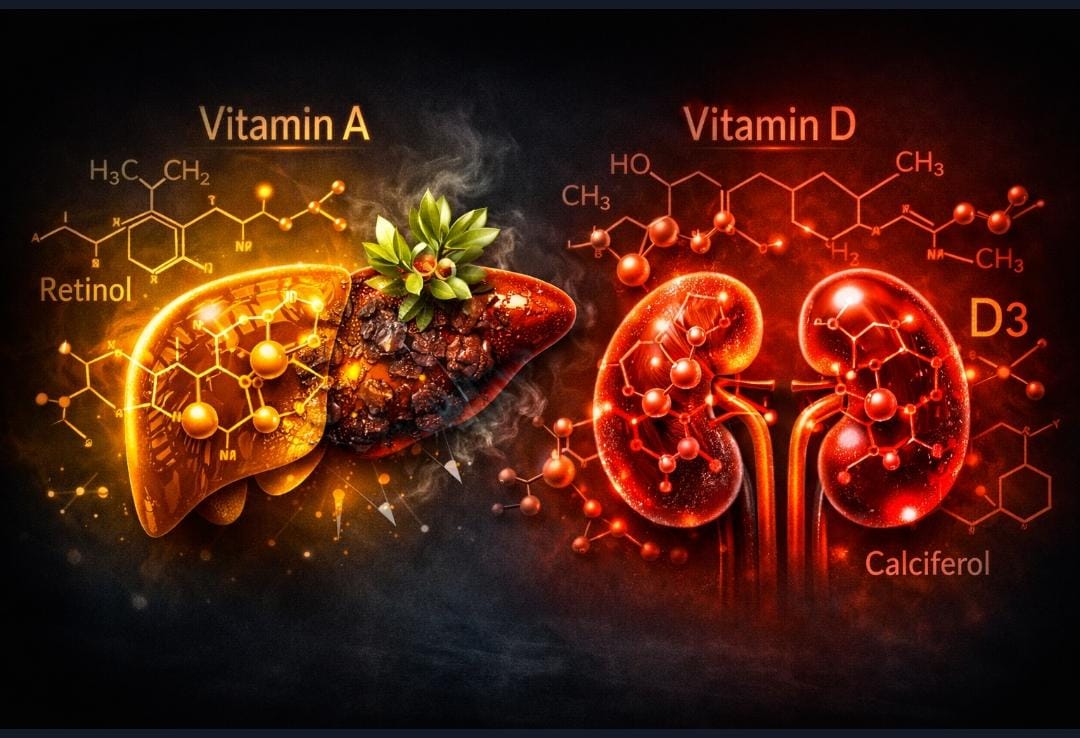
Antioxidants: When the “Elixir of Youth” May Turn Against Your Cells

Written by Dr. Saeed Attia
Scientific Development Team at HealthNato | Pharmacist | Pharmacology & Supplements Specialist
Fact-checked by HealthNato Scientific Team
on July 14, 2026 at 1:30 PM
Key Points
- Free radicals are essential for immune function, cell signaling, and tissue repair.
- Oxidative stress results from an imbalance, not simply the presence of free radicals.
- High-dose antioxidant supplements may disrupt normal cellular processes without providing additional health benefits.
- Whole foods are the safest and most effective source of antioxidants, while supplements should be used only when medically indicated.
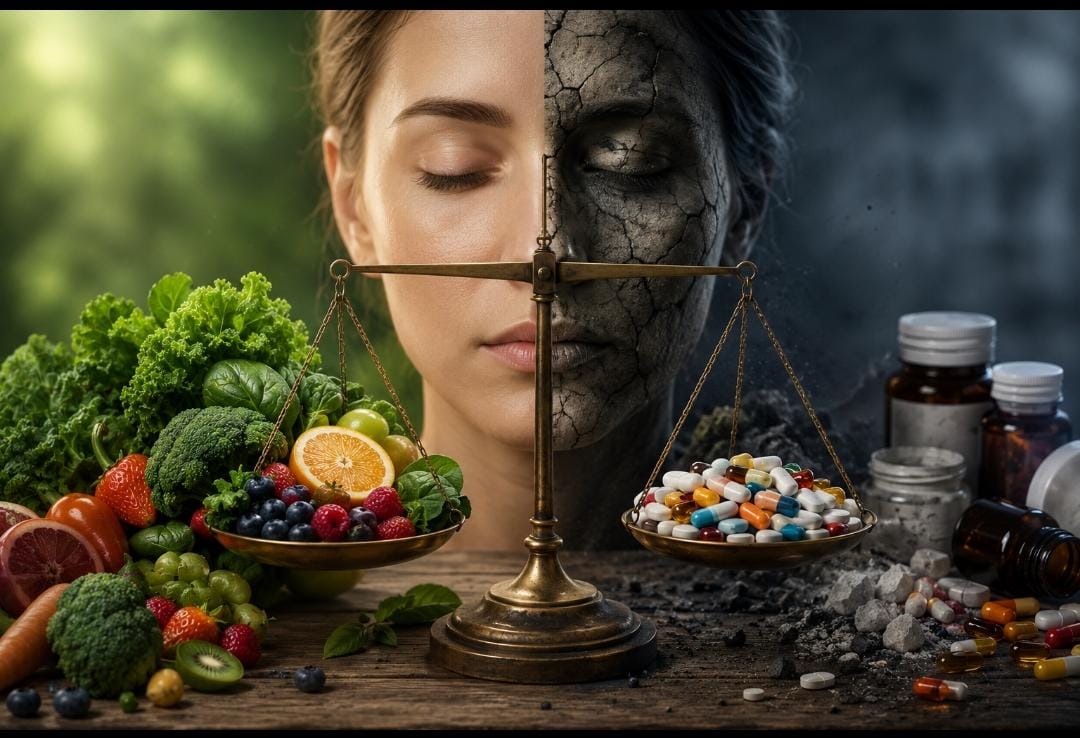
In a world obsessed with the pursuit of eternal youth, the dietary supplement industry has successfully embedded a simple yet powerful message into public consciousness: the more antioxidants you consume, the healthier and younger you will become. From high-dose vitamin E capsules and mega-dose vitamin C supplements to glutathione and resveratrol, antioxidants have been marketed as heroic compounds that eliminate "harmful" free radicals, slow aging, and protect against chronic disease. But human biology is far more complex than marketing slogans. Modern biomedical research has revealed that completely suppressing free radicals—or consuming high-dose antioxidant supplements without a clear medical indication—may disrupt the body's delicate physiological balance and, in certain circumstances, be associated with undesirable health outcomes. Free Radicals Are Not the Enemy We Once Thought Free radicals are often portrayed as destructive molecules responsible for aging and disease. While this is partially true, it tells only half the story. These highly reactive molecules are naturally generated during cellular energy production and are also produced in response to environmental factors such as pollution, cigarette smoke, ultraviolet radiation, and inflammation. When present in excessive amounts, they contribute to oxidative stress, a condition associated with damage to proteins, lipids, and DNA. However, the surprising reality is that the human body does not aim to eliminate free radicals altogether. In fact, free radicals serve as essential cellular signaling molecules, playing critical roles in immune defense, cell-to-cell communication, tissue repair, and the destruction of invading microorganisms. The real problem, therefore, is not the presence of free radicals, but rather an imbalance between oxidant production and the body's endogenous antioxidant defense systems. When More Antioxidants Become Too Much The human body possesses sophisticated regulatory mechanisms designed to maintain this delicate balance. Excessive intake of antioxidant supplements—particularly in high doses and over prolonged periods without documented deficiency or medical necessity—may interfere with these physiological processes. Researchers have proposed that extreme antioxidant excess may contribute to a condition known as reductive stress, in which cellular oxidation is suppressed beyond its normal physiological range, potentially disrupting signaling pathways that are essential for healthy cellular function. Although this concept continues to be actively investigated, it reinforces an important principle of modern medicine: More is not always better. What Does Clinical Evidence Show? Vitamin E: When Higher Doses Do Not Mean Greater Protection For many years, high-dose vitamin E supplementation was promoted for the prevention of cardiovascular disease and certain cancers. However, large randomized clinical trials—including the HOPE and SELECT studies—failed to demonstrate these anticipated benefits. Instead, some evidence suggested that long-term high-dose vitamin E supplementation was associated with an increased risk of prostate cancer and hemorrhagic stroke in specific populations. These findings do not imply that vitamin E is inherently harmful. Rather, they highlight an important clinical message: High-dose supplementation should not be considered harmless simply because a nutrient is labeled as a vitamin. Vitamin C: Are Mega-Doses Always Beneficial? Many athletes routinely consume large doses of vitamin C after intense exercise in the belief that it accelerates recovery. Yet several studies suggest that excessive antioxidant supplementation may actually attenuate some of the beneficial physiological adaptations to exercise, because the transient oxidative stress generated during physical activity serves as a critical signal for muscle adaptation and improved metabolic function. Moreover, chronic consumption of high-dose vitamin C may increase the risk of calcium oxalate kidney stones in susceptible individuals. Why Is Whole Food Different from Supplements? A logical question follows: If excessive antioxidant supplementation may not always be beneficial, why do healthcare professionals consistently recommend diets rich in fruits and vegetables? The answer lies in what nutrition scientists call the Food Matrix. Antioxidants in whole foods are never consumed in isolation. They naturally coexist with hundreds of bioactive compounds—including polyphenols, flavonoids, carotenoids, dietary fiber, vitamins, minerals, and numerous phytochemicals—that interact synergistically within the body. These nutrients are delivered in balanced physiological concentrations and absorbed gradually, allowing the body's regulatory systems to maintain homeostasis. By contrast, dietary supplements often provide one or a few isolated compounds at concentrations far exceeding those typically obtained through a normal diet, resulting in biological responses that may differ substantially from those produced by whole foods. Conclusion Free radicals are not inherently harmful, and antioxidants are not universally beneficial. Healthy cells require both oxidative and antioxidant processes to remain in equilibrium. For this reason, the safest and most evidence-based source of antioxidants remains a balanced diet rich in fruits, vegetables, legumes, whole grains, nuts, and other plant-based foods. Dietary supplements should be reserved for individuals with a documented deficiency or a clear medical indication, and should be taken under the guidance of a qualified healthcare professional. Modern medicine has moved beyond the simplistic belief that higher doses inevitably produce greater benefits. Instead, it embraces a more fundamental biological principle: In nutrition, as in pharmacology, balance—not excess—is the true foundation of health.
Written by Dr. Saeed Attia
Scientific Development Team at HealthNato | Pharmacist | Pharmacology & Supplements Specialist
Fact-checked by HealthNato Scientific Team
on July 14, 2026 at 1:30 PM
Get new articles in your inbox
One short email a week, no spam.
Your privacy is important to us.